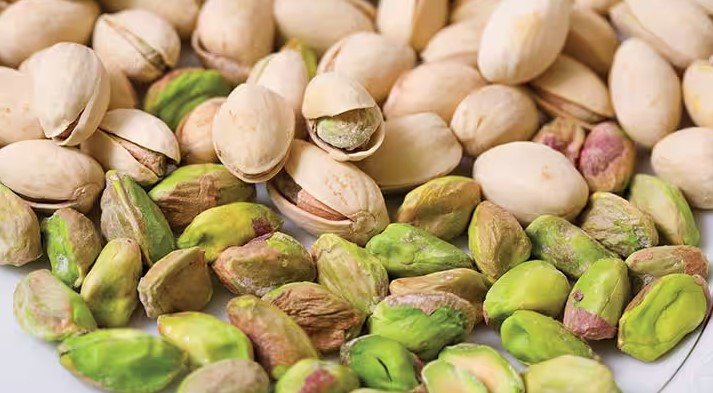
Where Are Pistachios Grown in India?
India, known for its rich agricultural diversity, is home to several regions that are perfect for pistachio farming. Pistachios, or pista, are a high-value crop that thrives in dry, semi-arid, and temperate climates. The cultivation of pistachios has been growing steadily, and several states in India have emerged as significant producers of pistachios. This article explores where pistachios are grown in India, the ideal growing zones, and the potential for expansion.
Understanding Pistachio Trees and Their Origins
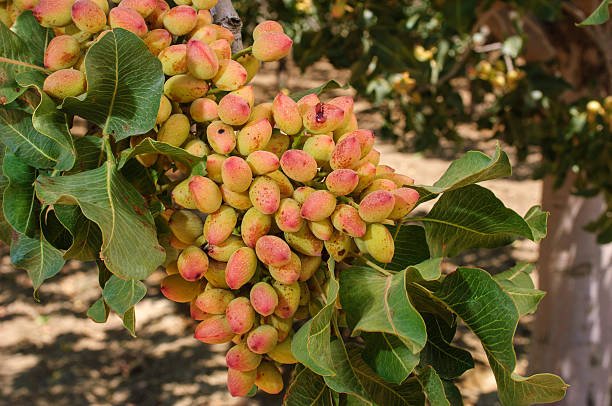
Pistachio trees, scientifically known as Pistacia vera, are prized for producing the delicious and nutrient-rich pistachio nut we all enjoy. These trees are members of the cashew family and have a fascinating history that traces back to the arid landscapes of Central Asia and the Middle East. Over thousands of years, pistachios have been cultivated in countries like Iran, Afghanistan, and Turkmenistan, where the climate and soil conditions are naturally suited to their needs.
Their ability to withstand long dry periods and thrive in sandy, well-drained soils makes them an ideal crop for regions that experience hot, arid summers—much like some of the pistachio-growing zones emerging across India today.
Key States for Pistachio Farming in India
- Rajasthan Rajasthan is the undisputed leader in pistachio production in India. The state’s arid regions, particularly Barmer, Jaisalmer, and Pali, are famous for their pistachio farms. The dry climate and alkaline soils provide the perfect conditions for pistachio trees to flourish. Rajasthan’s pista production contributes a significant share of the national yield.
- Gujarat Gujarat, especially the Kutch region, is another top producer of pistachios in India. The semi-arid climate of Gujarat offers an ideal environment for pistachio farming. The state’s agricultural infrastructure supports the growth of pistachio farms, making it one of the largest pistachio-growing areas in the country.
- Kashmir Although pistachio farming in Kashmir is relatively new, the region is gaining attention due to its cool, dry climate and fertile soils. Areas like Pahalgam and Anantnag have started to cultivate pistachios, with farmers experimenting with new methods to optimize production.
- Haryana Haryana has also shown promise in pistachio farming, particularly in the districts of Bhiwani and Fatehabad. With the state’s growing interest in horticultural crops, pistachio farming is expected to grow in the coming years, providing farmers with an alternative cash crop.
- Punjab In Punjab, the potential for pistachio farming is being explored, especially in areas like Bathinda and Mansa. The state’s favorable soil and climatic conditions are suitable for pistachio cultivation, making it an emerging pistachio-growing state.
Ideal Pistachio Growing Zones
Pistachios require specific climatic and soil conditions to thrive. The ideal pista tree growing zones in India share certain characteristics:
- Climate: Pistachio trees thrive in regions with a hot, dry climate, with average temperatures between 30°C to 40°C.They are best suited to areas that experience long, hot, and dry summers paired with cold winters. During summer, optimal temperatures for pistachio trees range from 35°C to 40°C, while in winter, they prefer conditions between 0°C to 10°C. This exposure to chilly weather in winter is essential, as it helps initiate new leaf and bud production for the coming season.
- Sunlight: Pistachios are sun-lovers and require at least 8 hours of direct sunlight each day. Without ample direct sunlight, the trees can become leggy, more prone to disease, and may struggle to set fruit.
- Soil: Well-drained, sandy-loam soils with a slightly alkaline pH (7.5-8.5) are ideal for pistachio farming. Good drainage is crucial, as pistachios do not tolerate excessive moisture.
- Rainfall: Pistachio trees require minimal rainfall, as excessive moisture can harm the tree. However, they need adequate irrigation during dry spells spells to support healthy growth and fruit development.
- Altitude: Pistachios are usually grown at altitudes between 500-1500 meters above sea level, where these climatic and soil conditions are often met
Overall, regions that combine these characteristics—hot, sunny summers, chilly winters, well-drained alkaline soils, minimal rainfall, and suitable altitude—provide the best environment for successful pistachio cultivation.
Best Time to Plant Pistachio Trees
Choosing the right moment to plant your pistachio trees can make all the difference in their long-term health and productivity. The ideal window is during late winter or very early spring, before the trees break dormancy and begin their active growth period. This timing gives the young trees a chance to establish their roots while the weather is still cool and soil moisture is usually higher.
You’ll often find pistachio saplings available from nurseries as bare-root or pre-potted plants around this time. Just be sure to get them into the soil before buds start to swell and the tree kicks off its yearly growth spurt. Planting during this dormant phase reduces transplant shock and allows your pista orchard to hit the ground running when warmer days arrive.
Pruning Pistachio Trees: Why It Matters and How to Do It
Proper pruning plays a vital role in pistachio cultivation, ensuring healthy growth and higher yields. By trimming your pistachio trees, you encourage better airflow and sunlight penetration, both of which help stimulate flower and fruit development. Pruning also keeps the tree’s shape in check, preventing overcrowded or tangled branches that can limit productivity and increase disease risk.
Here’s how to get it right:
- Timing: Prune when the pistachio trees are dormant, ideally in late winter before new growth appears.
- Technique: Remove any branches that cross, rub, or crowd the center of the tree. Focus on opening up the canopy for light and air.
- Hygiene: Always disinfect your pruning tools between trees. This step reduces the risk of spreading disease from one plant to another.
Regular and careful pruning helps your pistachio orchard stay productive season after season.
Fertilizing Pistachio Trees
Before you start fertilizing your pistachio trees, it’s a smart move to begin with a thorough soil test. This helps you understand exactly what nutrients your soil may be lacking, so you can choose the right kind and amount of fertilizer.
Once your soil analysis is complete, apply a balanced fertilizer suited to your tree’s specific needs. The best time to fertilize pistachios is just ahead of their main growth spurt—typically in late winter or early spring. Spreading the fertilizer evenly around the root zone, and gently working it into the topsoil (without disturbing the roots), ensures your trees get the nutrients they need when it counts most.
Proper timing and careful application help pistachio trees develop strong shoots and healthy buds, setting them up for a productive season.
Other Emerging Regions for Pistachio Farming
While Rajasthan, Gujarat, and Kashmir dominate pistachio production, other states like Madhya Pradesh and Uttarakhand are also experimenting with pistachio cultivation. With research and advancements in farming techniques, these states could soon emerge as new centers for pistachio farming.
The Future of Pistachio Farming in India
As demand for pistachios continues to rise both domestically and internationally, the future of pistachio cultivation in India looks promising. With advancements in agriculture and increased government support for dryland farming, more farmers are likely to adopt pistachio cultivation as a viable option.
Conclusion
India’s pistachio farming landscape is expanding, with major states like Rajasthan, Gujarat, and Kashmir leading the way. Understanding the ideal pistachio growing zones and the agricultural techniques involved is crucial for farmers looking to tap into this lucrative industry. As awareness grows and techniques improve, pistachio farming will play a vital role in India’s agricultural future.
A Complete Guide to Pista Farming in India: Everything You Need to Know
Pistachios in India: The Complete Guide to Cultivation and Harvesting