The Murrah Buffalo
The Murrah buffalo, known for its high milk yield and exceptional adaptability, has become a cornerstone of the dairy industry in India. Particularly in Maharashtra, these animals are celebrated not only for their productivity but also for their robustness, making them an ideal choice for both small and large-scale dairy farmers. In this blog, we will delve into the characteristics of Murrah buffaloes, their pricing, where to find reliable suppliers in Maharashtra, and tips for their care.
Understanding the Murrah Buffalo
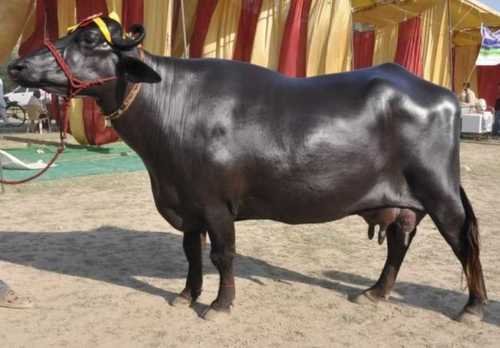
Originating from the Murrah region of Haryana, the Murrah buffalo is characterized by its black coat, large frame, and well-defined body structure. The name “Murrah” itself refers to the distinctive curled horns these animals possess—a trait that sets them apart from other buffalo breeds. Sometimes called “Delhi buffalo,” a nod to their historic association with the region, Murrah buffaloes have roots in the southern districts of Haryana, including Rohtak, Jind, Hisar, Jhajhar, Fatehabad, and Gurgaon, as well as the Union Territory of Delhi.
Over time, the popularity of the Murrah buffalo has spread far beyond its home tract. Today, this breed can be found across nearly every state in India, with farmers often using them to upgrade local breeds and improve overall dairy production. Globally, the reputation of the Murrah buffalo extends to various developing countries such as Brazil, Nepal, Bangladesh, Myanmar, Vietnam, Indonesia, and the Philippines, where they play a vital role in the local dairy industry. This widespread presence is a testament to their adaptability and the value they bring to farmers worldwide. They are primarily raised for milk production and are known to produce an impressive 15 to 20 liters of milk per day, depending on factors like age, health, and care. The milk is rich in fat and has a creamy texture, making it highly sought after in the dairy market.
Morphological and Biometric Traits of Murrah Buffaloes
When it comes to physical attributes, Murrah buffaloes stand out for their sturdy build and distinctive appearance. Sporting a lustrous jet black coat, these animals occasionally display small white markings on the face or leg tips, though these are seldom preferred among breeders.
Distinct Physical Features
Here’s a quick look at the standout morphological traits of Murrah buffaloes:
- Build and Size: Murrah buffaloes possess a strong, heavy build with a wedge-shaped body—robust yet harmonious, contributing to their resilience and work capability.
- Body Length and Height: Adult males typically measure around 150 cm in body length and 142 cm in height at the withers. Females follow closely, with averages of 148 cm in length and 133 cm in height.
- Heart Girth: Males commonly exhibit a heart girth of about 220 cm, whereas females tend to measure around 202 cm—an indicator of their substantial frame.
- Weight: The average adult male weighs between 450 to 800 kg (with many around 567 kg), while adult females generally range from 350 to 700 kg (averaging 516 kg).
- Head and Neck: The head is medium-sized, with males exhibiting a thicker, more massive neck. Female necks are comparatively longer and thinner.
- Horns and Eyes: Horns are short, tightly curved, and spiral inward—a signature look for the breed. Eyes are prominent and lively, especially in females.
- Skin and Limbs: Their skin is soft, smooth, and boasts scanty hair, far less than other buffalo breeds. Limbs are short but sturdy, again reflecting their ability to handle rigorous farm work.
Additional Noteworthy Traits
- Tail: The tail is long, often reaching the fetlock joint, with a black or occasionally a short white switch at the end.
- Udder and Teats: Their udder is fully developed and drooping, with well-distributed, long teats—hind teats are typically longer than the fore teats—enhancing milk production and ease of milking.
Growth and Birth Weights
From birth, Murrah buffaloes show impressive growth rates:
- Calf Birth Weight: Male calves average about 31.7 kg at birth, and females close behind at 30 kg.
- Development: As they mature, their rapid growth leads to larger frames and improved milk productivity, especially by their first calving.
These morphological and biometric characteristics collectively contribute to the Murrah buffalo’s reputation as a leading choice for dairy farmers who seek both high yield and hardiness in their livestock.
Reproductive Milestones of Murrah Buffaloes
While their milk yield gets most of the attention, understanding the reproductive timeline of Murrah buffaloes is just as important—especially for anyone looking to build a sustainable, productive dairy herd.
Age at Puberty
- Males: Murrah bulls typically reach puberty between 24 and 36 months of age, depending on genetics, nutrition, and environmental conditions.
- Females: Female Murrah buffaloes usually attain puberty earlier, often around 36 months, though good management and proper nutrition can help some heifers reach puberty a bit sooner.
First Calving—A Key Benchmark
For those charting out their herd’s productivity, the average age at first calving (AFC) offers a useful yardstick. Across multiple studies and field observations in India, most Murrah heifers deliver their first calf between 40 and 54 months of age. This range reflects variation in local practices, diet, and overall animal health. Earlier calving—without compromising the animal’s growth or wellbeing—can help maximize productive years in the dairy cycle.
Understanding these timelines can greatly assist Maharashtra’s dairy farmers in planning breeding programs and optimizing the overall productivity of their Murrah herds.
Average Body Weight and Growth Rate of Murrah Buffaloes
An important aspect of raising healthy Murrah buffaloes is understanding their expected growth patterns and average weights as they mature. Monitoring these milestones can help farmers assess the well-being of their herd and make informed decisions regarding nutrition and overall management.
Growth Stages and Weight Benchmarks
Murrah buffalo calves typically weigh around 30 to 35 kg at birth. As they grow, their weight increases steadily if provided with proper care and a balanced diet. Here’s a general outline of their average body weights at different stages:
- At birth: 30–35 kg
- At 3 months: Approximately 65–75 kg
- At 6 months: About 95–110 kg
- At 9 months: Around 130–150 kg
- At 12 months: 170–190 kg
- At 18 months: 240–270 kg
- At 24 months: 320–360 kg
- At first calving: Often reaches 450–500 kg, depending on nutrition and management practices
Growth Rate Overview
Throughout the first two years, Murrah buffaloes display a consistent and robust growth rate when provided with quality feed and veterinary supervision. Regular weight checks at various stages can help identify any setbacks early, allowing for timely intervention and care. This steady growth is one reason why Murrah buffaloes are favored for dairy production in Maharashtra and across India.
Comparing Physical Traits: Male vs Female Murrah Buffaloes
When it comes to physical characteristics, male and female Murrah buffaloes share many key traits, but there are distinct differences that are worth noting—especially if you’re assessing animals for dairy or breeding purposes.
Size and Body Structure
- Males: Generally larger and heavier, adult males typically measure about 150 cm in body length, stand 142 cm tall at the withers, and boast an impressive heart girth of around 220 cm. Their weight can range from 450 to 800 kg, with an average around 567 kg.
- Females: Females are slightly more compact, with average measurements of 148 cm in length, 133 cm in height, and a heart girth close to 202 cm. Their adult weight falls between 350 and 700 kg, usually averaging about 516 kg.
Distinctive Features
- Horns: Both sexes feature the breed’s signature short, tightly curled horns that spiral inward. With age, these spirals become more pronounced, lending older buffaloes a bit of classic character.
- Eyes and Face: Both males and females sport sharp, prominent black eyes; however, males may appear a bit more deep-set or shrunken in the eye area.
- Neck and Head: The neck is a reliable way to distinguish between the sexes—females have long, slender necks, whereas males display a thicker, more muscular build. Heads are medium-sized across the board.
- Build and Limbs: Both exhibit a robust, wedge-shaped frame with sturdy, short limbs. Their skin is soft and nearly hairless compared to other breeds, enhancing heat tolerance.
Other Notable Traits
- Tail: Reaching down to the fetlock joint, the tail will often display a black or, in rare cases, a white switch that’s typically no longer than six inches.
- Udder and Teats: Female Murrah buffaloes, as you’d expect, have well-developed, drooping udders with evenly distributed teats—hind teats being noticeably longer than those in front. This is a clear indicator of their dairy prowess.
From Birth Onward
Even as calves, the size difference is apparent: male calves are slightly heavier at birth (about 31.7 kg) compared to females (around 30 kg).
By keeping an eye on these physical differences, you’ll be better equipped to select Murrah buffaloes suited to your farm’s specific needs—whether you’re expanding your dairy herd or considering future breeding options.
Birth Weights of Murrah Calves
At birth, Murrah buffalo calves show a robust start—male calves typically weigh in at around 31 to 32 kilograms, while their female counterparts average about 30 kilograms. This healthy birth weight contributes to their strong early development, preparing them for the demands of high-yield dairy production later in life.
Trends in Murrah Buffalo Population
Over the years, the population of Murrah buffaloes has witnessed notable shifts, especially in Haryana, their region of origin. For example, from the early 1980s to the early 2000s, Haryana saw a substantial increase in its buffalo population, nearly doubling within two decades. However, after this period of rapid growth, the numbers saw a mild decline, with the population dipping slightly in the years that followed.
Nationally, Murrah buffaloes make up a significant portion of India’s total buffalo population, further underlining their importance within the country’s dairy sector. These fluctuations can often be attributed to changing agricultural practices, evolving farming priorities, and regional demands for high-yield dairy breeds.
Key Features of Murrah Buffalo:
- High Milk Yield: On average, a Murrah buffalo can yield between 15 to 20 liters of milk daily.
- Rich Nutritional Value: The milk contains around 7-8% fat, making it ideal for butter, ghee, and other dairy products.
- Adaptability: Murrah buffaloes can adapt well to various climatic conditions, especially in Maharashtra’s diverse weather.
Reproductive Traits of Murrah Buffalo
When it comes to reproductive performance, Murrah buffaloes continue to impress dairy farmers with their efficiency and reliability. Understanding these traits can help you plan your herd management and milk production cycles more effectively.
Age at First Calving
On average, Murrah buffaloes reach their first calving between 43 to 54 months of age (roughly 3.5 to 4.5 years). Most studies report the age at first calving to fall around 44 months, although this can vary due to genetic factors and herd management practices.
Service Period
The service period—defined as the interval between calving and conception—typically ranges between 5 and 6 months for Murrah buffaloes. This period can be influenced by the animal’s health and the quality of care provided, but most well-managed herds report service periods from 140 to 230 days.
Dry Period
A ‘dry period’ is the time when the buffalo is not producing milk, usually following lactation and before the next calving. For Murrah buffaloes, the average dry period lasts about six months (approximately 145–195 days). Keeping the dry period optimal is essential for the animal’s recovery and future milk yield.
Calving Interval
The calving interval—the gap between two successive calvings—is an important indicator of reproductive efficiency. In Murrah buffaloes, the average calving interval ranges from 14 to 20 months (about 450–580 days). Shorter calving intervals are preferable, as they lead to more frequent lactation cycles and higher overall milk production.
Summary Table: Typical Reproductive Benchmarks
- Age at First Calving: 43–54 months
- Service Period: 140–230 days (5–6 months)
- Dry Period: 145–195 days (approx. 6 months)
- Calving Interval: 450–580 days (14–20 months)
Monitoring these reproductive traits can help ensure your Murrah buffaloes remain productive, healthy, and profitable parts of your dairy operation.
Pricing of Murrah Buffalo in Maharashtra
When considering the purchase of a Murrah buffalo, the price can vary based on factors like age, health, milk yield, and market demand. Here’s a general overview of the pricing:
- Murrah Buffalo Price Range: Typically, the price of a Murrah buffalo can range from ₹60,000 to ₹1,50,000. Young, high-yielding buffaloes tend to be on the higher end of the scale.
Specific Pricing in Maharashtra
- Murrah Buffalo Price Near Chhatrapati Sambhajinagar (Aurangabad):
- Prices in this region can range from ₹70,000 to ₹1,30,000, depending on the specific breed, age, and health of the buffalo.
- Murrah Buffalo Price Near Nagpur:
- In Nagpur, you can expect prices similar to Aurangabad, generally ranging from ₹65,000 to ₹1,20,000.
- Overall Murrah Buffalo Price in Maharashtra:
- Across Maharashtra, the average price generally falls between ₹60,000 and ₹1,50,000, but premium animals can exceed this range.
Factors Influencing Price
- Age and Health: Younger buffaloes that are healthy and come from a good lineage will command higher prices.
- Milk Yield: Buffaloes known for high milk production are more valuable, reflecting in their price.
- Local Market Demand: Prices can fluctuate based on the demand and availability in local markets.
Daily Milk Production of Murrah Buffalo
Murrah buffaloes are renowned for their high milk production capabilities. On average, a well-fed and cared-for Murrah buffalo can produce:
- Daily Milk Yield: Approximately 15 to 20 liters of milk, depending on the individual animal’s health, nutrition, and lactation cycle.
Annual Milk Production: What the Studies Say
While daily yields are impressive, it’s also helpful to look at the bigger picture. Various studies and large-scale observations across India have documented annual milk production for Murrah buffaloes under different management and environmental conditions. Reported averages typically range from 1,600 to 2,000 kilograms per lactation period, though this can fluctuate:
| Study/Source | Average Yield (kg/lactation) |
|---|---|
| Singh et al. (1990) | 2014 |
| Sahana (1993) | 1869.7 |
| Nath (1998) | 1894.94 |
| Gajbhiye & Tripathi (1991) | 1647 |
| Jain & Sadana (1998) | 1748.7 |
| Kumar (2000) | 1618.7 |
These figures highlight the breed’s consistent performance and reinforce why Murrah buffaloes are a preferred choice for dairy farmers looking for both daily and annual profitability.
This substantial milk yield makes the Murrah buffalo a lucrative investment for dairy farmers. Additionally, the high-fat content in the milk allows farmers to produce a variety of dairy products, enhancing their profitability.
Typical Peak Milk Yields for Murrah Buffaloes
When it comes to peak milk yield, Murrah buffaloes stand out from the herd—quite literally. On average, a healthy Murrah buffalo can reach peak production levels of 7 to 10 liters per day, depending on factors such as genetics, nutrition, and management practices. Most well-maintained herds consistently see peak yields above 7 liters daily, with many animals surpassing 9 liters in optimal conditions.
These numbers are not just impressive on paper; they’re supported by studies from various regions and decades, reinforcing the Murrah’s reputation as a dairy powerhouse. Whether you’re a seasoned dairy farmer or just starting out, these high-yielding traits make the Murrah buffalo a reliable choice for maximizing milk output and sustaining a profitable operation.
Average Lactation Length of Murrah Buffalo
A key factor influencing the overall productivity of a Murrah buffalo is its lactation length—the period during which the animal produces milk between calvings. On average, Murrah buffaloes demonstrate a lactation period ranging from around 9 to 12 months. Most research and field observations place this period between 300 and 335 days for the first lactation, assuming the buffalo receives proper nutrition and rest during its dry period.
Buffaloes with longer lactation cycles, provided they are managed well and allowed adequate time to recover before the next calving, tend to yield more milk over individual cycles. This consistent and extended milk flow not only boosts daily yields but also contributes to stable income for dairy farmers throughout the year.
This substantial milk yield makes the Murrah buffalo a lucrative investment for dairy farmers. Additionally, the high-fat content in the milk allows farmers to produce a variety of dairy products, enhancing their profitability.
Estimating Lifetime Milk Yield in Murrah Buffaloes
One aspect that often interests dairy farmers is the lifetime milk yield of Murrah buffaloes. Since buffaloes are usually not kept until their natural end but rather until their productivity declines, estimating total lifetime production involves a bit of calculation and relies on various benchmarks.
Researchers and dairy experts measure lifetime yield in several ways, often basing figures on the number of lactations or the point of disposal (when the animal leaves the herd). For Murrah buffaloes, lifetime milk production typically gets documented across three, four, or five lactations, or by calculating the yield until the animal is sold or retired from milk production.
Typical values reported in studies indicate:
- Over 3 lactations, a Murrah buffalo might yield between 5,500 and 6,000 kg of milk.
- At 4 lactations, this can increase to around 7,800 to 8,000 kg.
- If the animal continues to 5 lactations, total yield may reach approximately 9,000 to 10,000 kg.
These figures illustrate the impressive productivity and stamina of the breed, with many Murrah buffaloes maintaining steady milk output even in later lactation cycles. Longevity in both health and milk flow is a key reason why Murrah buffaloes remain a top choice for dairy operations across Maharashtra—and indeed, much of India.
Typical Calving Interval for Murrah Buffaloes
When planning for consistent milk production, it’s essential to consider how often Murrah buffaloes calve. On average, the calving interval—the time between one calving and the next—ranges from about 15 to 19 months for this breed. Several studies and field observations place the typical interval around 15 to 17 months, though some high-yielding or well-managed herds may see shorter intervals.
A shorter calving interval generally means more frequent milk production cycles, so maintaining optimal nutrition, health care, and breeding management can help minimize gaps between calvings. For most dairy farmers in Maharashtra, aiming for a calving interval of approximately 16 months balances the animal’s health with steady milk yields and makes herd management more predictable.
Service Period and Dry Period of Murrah Buffaloes
Understanding the reproductive cycle of Murrah buffaloes is essential for managing their productivity and planning for consistent milk yields throughout the year. Two key elements of this cycle are the service period and dry period.
Service Period:
For Murrah buffaloes, the service period—the interval between calving and successful conception—typically ranges from 5 to 6 months. While a rest period of about 60 days after calving is generally sufficient before breeding again, many animals require a slightly longer interval before they are ready for their next pregnancy. This time frame can vary based on factors like nutrition, overall health, and management practices on the farm.
Dry Period:
The dry period is the time when the buffalo is not producing milk, usually preceding the next calving. For the Murrah breed, the average dry period is around six months. This break allows the animal’s body to recover and prepare for the next lactation, which is crucial for maintaining optimal milk production in subsequent cycles.
By paying attention to these cycles, dairy farmers can help ensure their Murrah buffaloes remain healthy, productive, and profitable for years to come.
Variation in Lactation Milk Yield
Lactation milk yield in Murrah buffaloes can differ considerably, not just from one herd to another, but also across different management systems and research studies. While we’ve already highlighted impressive daily production figures, it’s important to recognize that longer-term yields—measured over a full lactation—also show some variability depending on care, environment, and genetic background.
Across multiple studies and herds, average lactation yields have ranged from around 1,000 kilograms to nearly 2,000 kilograms per lactation. This wide range is influenced by factors such as:
- Feeding Practices: Diet quality and the availability of nutritious fodder can make a dramatic difference in total milk yield.
- Farm Management: Regular health checks, proper shelter, and effective breeding programs contribute to higher production.
- Environmental Conditions: Climate and local weather patterns may either support or stress the animals, impacting their ability to produce consistently.
For example, well-managed farms in favorable climates often report higher average yields, while buffaloes in less optimal conditions may produce on the lower end of the spectrum. It’s this blend of genetics, care, and local environment that ultimately decides the lactation yield in any given herd.
Health and Care Considerations
Investing in a Murrah buffalo requires a commitment to their health and well-being. Proper care, regular veterinary check-ups, and a balanced diet are crucial for maximizing milk production and ensuring the longevity of the animal. Here are some care tips:
- Nutrition: Provide a balanced diet that includes high-quality fodder, grains, and mineral supplements to enhance milk yield.
During the rabi season, offer green fodders such as berseem, oat, and mustard, while in the kharif season, opt for pearl millet, sorghum, and cluster bean to maintain variety and nutrition. In lean periods when fresh greens are scarce, supplement the diet with wheat and pulse straws along with oilcakes and other concentrates to ensure the animals’ dietary needs are met year-round.
Stall feeding is common practice, ensuring animals have consistent access to quality feed. It’s important not to wean calves too early, as they benefit from gradual dietary transitions. While most farmers focus on female buffaloes for milk production, a few also rear bulls, though natural breeding is generally preferred over artificial methods.
Pay attention to daily feeding routines, as these routines are often managed attentively by women, who play a vital role in all aspects of care—from feeding and milking to cleaning—helping maintain the health and productivity of the herd.
- Hygiene: Maintain clean living conditions to prevent diseases. Regular cleaning of their housing and providing fresh water is essential.
- Housing: Buffaloes are typically kept in a mixed-type housing system. Often, they are tied to a tree or sturdy pole outdoors, allowing them plenty of fresh air and space. However, proper shelter is provided during extreme weather to protect them from heat, cold, or rain. Ideally, their living quarters should be well ventilated, with durable (pucca) walls and simple (kutcha) flooring to ensure both comfort and safety.
- Vaccinations: Keep up with vaccinations and health check-ups to prevent common diseases that can affect milk production.
Calf Management and Common Breeding Practices
When it comes to calf management, most Murrah buffaloes are raised in a traditional setup where calves stay with their mothers rather than being weaned early. This practice supports healthy development, as calves have constant access to their mother’s milk, which boosts their growth and immunity.
As for breeding, specialized breeding bulls are not commonly kept by every farmer. Instead, natural mating is the predominant method. Most buffaloes are bred naturally in the field, with bulls present among the herd rather than managed in separate breeding programs. This practical, hands-off approach is typical in small- and medium-scale dairies across Maharashtra.
Finding Reliable Suppliers in Maharashtra
When looking to purchase Murrah buffaloes, it is crucial to connect with reputable suppliers to ensure you are getting healthy animals. Here are some tips for finding reliable suppliers:
- Local Cattle Markets: Visit local cattle markets where registered breeders showcase their buffaloes.
- Online Platforms: Websites and social media groups focused on livestock trade can provide insights into reputable breeders.
- Recommendations: Network with local dairy farmers to get recommendations for trustworthy suppliers.
- Farm Visits: Whenever possible, visit the farms to assess the health and living conditions of the buffaloes.
Community and Knowledge Sharing
In the world of dairy farming, knowledge sharing and community support play crucial roles in success. Farmers can greatly benefit from engaging with one another, sharing experiences, and learning about best practices. Here are a few ways to foster community and knowledge sharing:
- Farmers’ Associations: Joining local farmers’ associations can provide valuable resources, including workshops, seminars, and networking opportunities with experienced dairy farmers.
- Online Forums and Social Media Groups: Engaging in online forums and social media groups dedicated to dairy farming allows farmers to ask questions, share tips, and discuss challenges with a broader community.
- Field Days and Demonstrations: Participating in or organizing field days where farmers can showcase their farms and share techniques can be a great way to learn and gain inspiration.
- Mentorship Programs: New farmers can greatly benefit from mentorship programs where experienced dairy farmers provide guidance and advice.
The Role of Women in Murrah Buffalo Rearing and Management
Women are the backbone of Murrah buffalo rearing in many communities, often taking charge of essential day-to-day responsibilities. From feeding and milking to maintaining hygiene and ensuring animal comfort, women traditionally handle most of the critical care tasks involved in successful dairy farming. Their hands-on involvement not only guarantees the well-being of the livestock but also directly contributes to the household’s productivity and income.
By actively managing everything from nutrition to cleanliness, women play a pivotal part in maximizing milk yield and maintaining herd health. Their expertise and dedication make them invaluable contributors to both the family farm and the broader rural economy.
The Economic Benefits of Murrah Buffalo Farming
Owning Murrah buffaloes can be economically advantageous due to several factors:
- High Demand for Dairy Products: With the increasing demand for milk and dairy products in India, Murrah buffaloes provide a steady income source for farmers.
- Dairy Cooperatives: Joining a local dairy cooperative can help farmers sell their milk at better rates and gain access to various resources, including veterinary care and feed supply.
Government Support and Schemes
The Indian government has implemented various schemes to support dairy farmers, including subsidies for purchasing livestock, training programs, and financial assistance. Farmers should explore these options to maximize their investments in Murrah buffaloes.
Sustainability and Future Prospects
As the dairy industry evolves, sustainable farming practices will become increasingly important. Farmers should consider adopting practices such as rotational grazing and integrated farming, which can enhance soil health and reduce feed costs while promoting animal welfare.
Conclusion
The Murrah buffalo is not just a source of high-quality milk; it represents an investment for many farmers in Maharashtra. Understanding the pricing, daily milk production, care requirements, and economic potential can help farmers make informed decisions that lead to a prosperous and sustainable dairy farming business. By fostering community engagement and embracing knowledge sharing, farmers can create a thriving dairy operation that benefits not only their families but also their communities. With the right care and management, Murrah buffaloes can significantly contribute to the livelihood of farmers, making them a vital part of Maharashtra’s agricultural landscape.canva