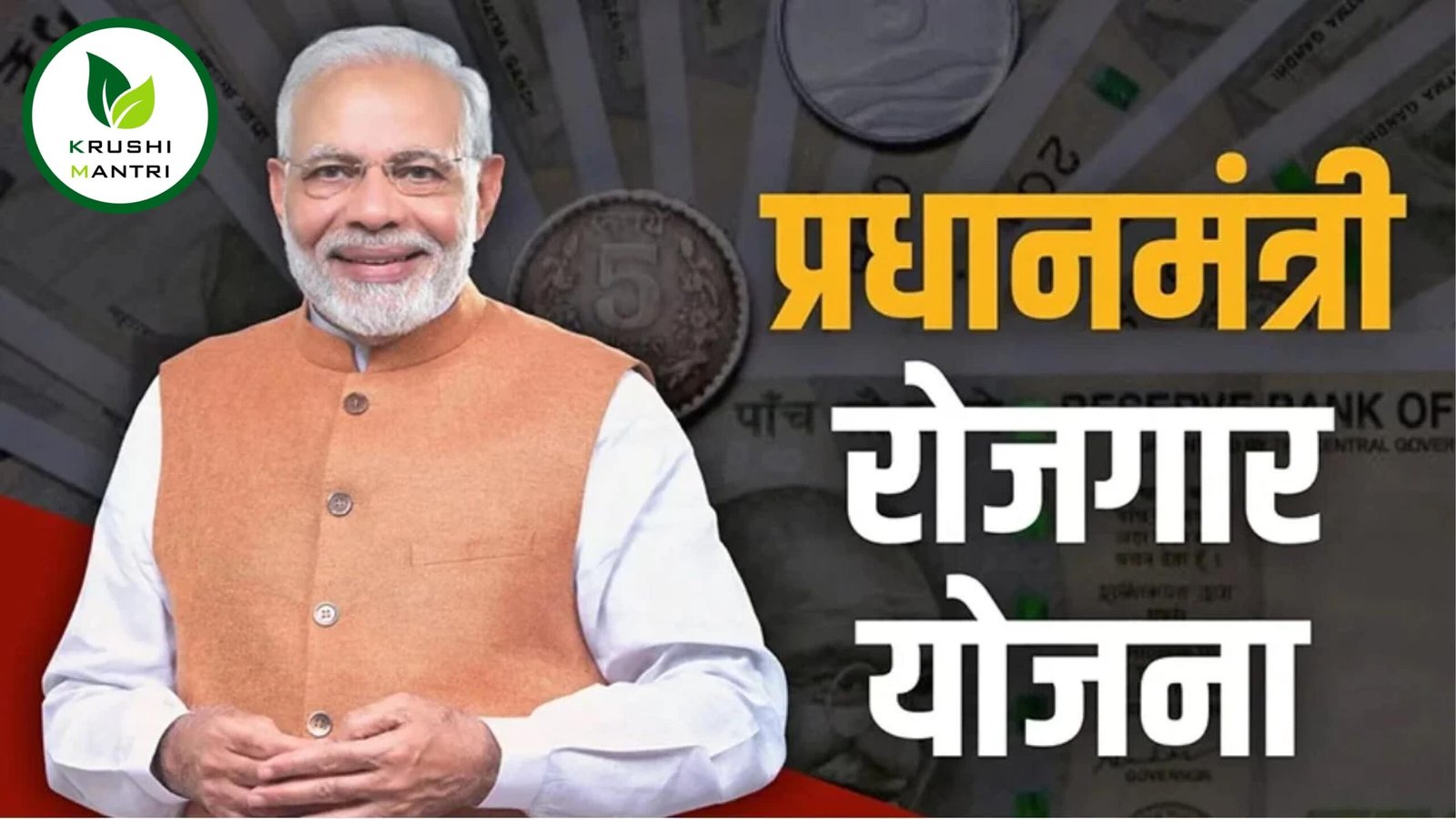
The Pradhan Mantri Rojgar Loan Yojana 2025 is an initiative launched by the Prime Minister to empower unemployed youth by providing loans to help them start their own businesses. This scheme aims to make youth self-reliant by offering financial assistance to turn their entrepreneurial dreams into reality. If you are eligible and wish to start your own venture, this scheme could be your stepping stone. Read this article for detailed guidance on how to apply.
Overview of Pradhan Mantri Rojgar Yojana 2025
The Pradhan Mantri Rojgar Yojana (PMRY) is a significant step toward providing financial aid to unemployed individuals who wish to establish their businesses. The government facilitates low-interest loans through banks under this scheme to help aspiring entrepreneurs build their enterprises.
Maximum Project Cost: The total business cost should not exceed ₹2,00,000.
For greater clarity, the PMRY scheme sets specific limits based on the sector:
| Sector | Maximum Project Cost |
|---|---|
| Business Sector | ₹1,00,000 |
| Other Activities | ₹2,00,000 |
Be sure to check which category your proposed project falls under to determine the eligible maximum amount.
Age Requirement: Applicants must be aged between 18 and 35 years.
Special Consideration: Priority is given to Scheduled Castes (SC), Scheduled Tribes (ST), women, and Other Backward Classes (OBC).
Collateral Requirements Under PMRY
One of the biggest advantages of the Pradhan Mantri Rojgar Yojana is that you typically don’t need to provide any collateral for your loan. For individual projects, loans up to ₹1,00,000 are sanctioned without asking for any security. If you’re teaming up with others to launch a partnership venture, this collateral-free benefit extends up to ₹1,00,000 for each partner involved in the project. This makes it easier for young entrepreneurs to secure funding, even if they don’t have substantial assets.
Recent Modifications to the PMRY Scheme
To ensure the scheme remains relevant and accessible, the government has introduced several important updates to the PMRY guidelines:
- Expanded Age Limit: The maximum age for eligibility has been raised to 45 years for applicants from SC, ST, women, ex-servicemen, and persons with physical disabilities—an increase of 10 years over the previous cap.
- Relaxed Educational Requirement: Now, candidates who have completed at least the 8th standard can apply, down from the earlier minimum of 10th standard, making the scheme accessible to more youth.
- Broader Business Scope: The scheme now supports ventures in agriculture and allied sectors, while continuing to exclude direct agricultural practices like crop cultivation or manure purchase.
- Group Loan Provisions: For those applying as a group, the loan limit has been increased to ₹5 lakh, expanding opportunities for collective entrepreneurship.
These changes are designed to widen participation, encourage diversity among applicants, and support a broader range of small business ventures.
Implementing and Monitoring Agencies for PMRY
The Pradhan Mantri Rojgar Yojana (PMRY) is overseen at the national level by the Development Commissioner (Small-Scale Industries) under the Ministry of Small-Scale, Rural, and Agro Industries. At the state level, the respective Commissioner or Director of Industries is responsible for implementing the scheme—except in the four major metropolitan cities, where metropolitan authorities take the lead in execution.
To ensure the scheme’s objectives are met effectively, a State Level PMRY Committee regularly reviews its progress on a quarterly basis. This structured approach helps maintain transparency, prompt action, and steady support for aspiring entrepreneurs under the initiative.
Eligibility Criteria for PMRY 2025
To apply for the scheme, you must fulfill the following criteria:
- Age Limit: 18 to 35 years and unemployed.
- Educational Qualification: Minimum qualification of 8th standard.
- Residency: A permanent resident of the same area for the last 3 years.
- Family Income: Family income should range between ₹40,000 and ₹1,00,000 annually.
- Creditworthiness: Must have a clean repayment record and should not be a defaulter with any nationalized financial institution.
Group Financing Limit under PMRY
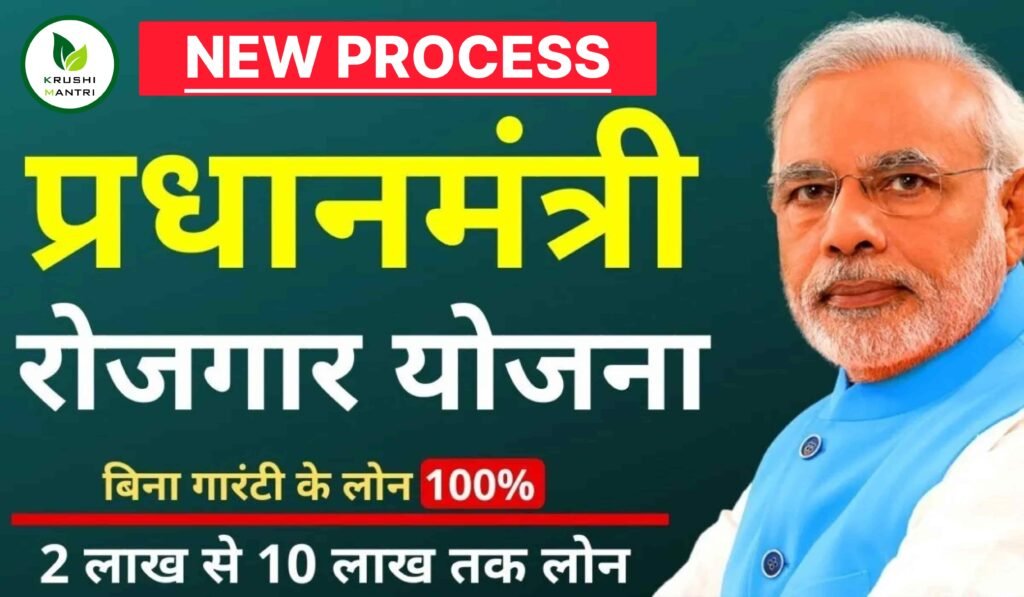
Under the Pradhan Mantri Rojgar Yojana, groups applying together are eligible for a higher loan amount. Specifically, group applicants can receive financing for projects with a combined cost of up to ₹5,00,000. This increased limit helps encourage collective entrepreneurship, especially for groups of unemployed youth or members from priority categories looking to start a business together.
Required Documents for PMRY Application
To apply for the Pradhan Mantri Rojgar Loan Yojana 2025, you need the following documents:
- Identity Proof: Aadhaar Card, Driving License.
- Income Certificate: Issued by the Mandal Revenue Officer.
- Project Report: Detailed business plan.
- Educational Certificates: Proof of qualifications.
- Caste Certificate: For SC/ST/OBC applicants.
- Birth Certificate: School TC or SSC Certificate.
- Residence Proof: Ration card or other government documents.
- Training Certificate: Proof of EDP (Entrepreneurship Development Program) training.
- Passport-Sized Photographs: Recent photos for identification.
Common Reasons for Business Loan Application Rejections
While assembling your documents is essential, it’s equally important to understand what can trip you up during the application process. Here are some frequent stumbling blocks that may lead to your business loan application being declined:
- Incomplete Documentation: Missing or improperly filled forms, absent certificates, or lack of a clear project report can halt your application in its tracks.
- Poor Credit History: Lenders often review your credit profile—defaults, late payments, or a low CIBIL score can be red flags.
- Insufficient Income or Collateral: If your income certificate doesn’t demonstrate adequate repayment capacity, or you lack sufficient collateral (where required), lenders may hesitate.
- Unviable Business Plan: A vague or unrealistic business proposal can make it difficult to secure approval. Make sure your project report clearly outlines your plan and expected financials.
- Lack of Experience or Training: Applicants without proof of required training or relevant qualifications may not meet eligibility criteria.
- Eligibility Mismatches: Failing to meet age, education, residency, or caste requirements laid out by the scheme can result in rejection.
Being mindful of these factors—and planning accordingly—can boost your chances of a smooth approval process for the Pradhan Mantri Rojgar Loan Yojana.
Loan Interest Rates
Interest rates for PMRY loans vary based on the loan amount, as directed by the Reserve Bank of India (RBI):
- Up to ₹25,000: 12% interest rate.
- ₹25,000 to ₹10,00,000: 15.5% interest rate.
- Larger loan amounts attract progressively higher interest rates.
PMRY Loan Repayment Schedule
The repayment period for PMRY loans is structured to give you some breathing space at the beginning. After a short grace period (moratorium), you’ll have anywhere from 3 to 7 years to repay your loan in easy installments. This flexible timeline helps ensure new entrepreneurs aren’t burdened immediately and can focus on getting their business up and running.
Types of Business Loans Available in India
If you are aspiring to launch or expand your business, it’s important to understand the various types of business loans available in India. The financial ecosystem here is diverse, offering options tailored to suit a wide range of needs and profiles. Here’s a quick breakdown of the main business loan types most entrepreneurs consider:
- Term Loans: These are conventional loans where you borrow a lump sum and repay it in fixed installments over a set period. Term loans can be secured or unsecured, and their tenure typically ranges from 1 to 10 years.
- Working Capital Loans: Designed to cover daily operational expenses, working capital loans help businesses bridge cash flow gaps, particularly useful during slow sales periods or when waiting for invoice payments.
- Overdraft Facilities: Banks offer overdraft lines linked to your business account. You can withdraw funds beyond your account balance up to a sanctioned limit, and interest is charged only on the overdrawn amount.
- Equipment Financing: For purchasing machinery, vehicles, or other capital-intensive assets, equipment loans offer customized solutions where the equipment itself often acts as collateral.
- Loan Against Property (LAP): You can pledge commercial or residential property to avail a loan. This typically allows you to access higher amounts at lower interest rates, given the security involved.
- Business Credit Cards: Useful for managing everyday expenses, business credit cards offer revolving credit with easy repayment options and can be a swift solution for urgent, small-scale funding needs.
- Startup Loans: Some banks and NBFCs offer special schemes targeted at startups and micro-entrepreneurs, sometimes backed by government guarantees or with preferential rates for women and marginalized groups.
- Merchant Cash Advance: Businesses that receive payments via credit or debit cards can apply for a merchant cash advance, where the lender offers funds in exchange for a percentage of future sales.
When selecting a loan type, consider factors such as the purpose of the loan, desired tenure, required amount, and whether you can offer collateral. Providers like Axis Bank, HDFC Bank, Kotak Mahindra Bank, Bajaj Finserv, Tata Capital, and others each offer their own variants with varying eligibility criteria and interest rates, giving entrepreneurs ample flexibility to find a product that fits their goals.
Secured vs. Unsecured Business Loans: Key Differences
Before you decide which business loan best suits your needs, it’s essential to understand how secured and unsecured loans differ. Both options are available to small business owners, but they come with distinct features:
- Collateral Requirement:
- Secured business loans require you to pledge assets, such as property, equipment, or inventory, as collateral. This means the bank can claim these assets if you are unable to repay.
- Unsecured loans, on the other hand, do not require any collateral. Approval is based largely on your creditworthiness, income, and business track record.
- Interest Rates:
- Secured loans generally come with lower interest rates since the risk to the lender is reduced due to the collateral.
- Unsecured loans usually have higher interest rates because they’re riskier for the bank.
- Loan Amount and Tenure:
- Banks are often willing to offer higher loan amounts and longer repayment periods for secured loans, making them suitable for bigger, long-term investments.
- Unsecured loans typically have lower maximum amounts and shorter repayment terms.
- Approval Process:
- The approval process for secured loans may take longer, as banks need to appraise the value of the collateral.
- Unsecured loans often have a quicker approval turnaround, given there’s no asset verification required.
- Risk Factor:
- With secured loans, you risk losing your pledged asset if you default on repayment.
- In the case of unsecured loans, while there’s no risk of losing physical assets, defaulting can severely impact your credit score and future loan eligibility.
When choosing between the two, consider your business’s current financial position and your ability to meet the respective requirements. If you have valuable assets to offer as security, a secured loan can help you access larger funds at lower interest. However, if you lack collateral and need faster access to funds, an unsecured loan may be more convenient, though potentially costlier.
Now, let’s look at how you can apply for a PMRY loan…
Latest Business Loan Interest Rates
If you’re exploring business loan options beyond the PMRY scheme, it’s helpful to understand the current interest rates offered by popular banks and non-banking financial companies (NBFCs) in India. Here’s an overview of where these rates stand for some leading institutions:
- Axis Bank: Starting from 10.75% per annum
- HDFC Bank: Ranges between 10.75% and 25% per annum
- IDFC First Bank: Begins at 10.50% per annum
- Kotak Mahindra Bank: Offers interest rates from 16% to 26% per annum
- Tata Capital: Rates begin at 12% per annum
- Bajaj Finserv: Between 10% and 26% per annum
- UGRO Capital: Spans from 9% up to 36% per annum
- HDB Financial Services Ltd.: Interest rates from 8% to 26% per annum
- Flexiloans: Starts at 1% per month
- Lendingkart: Between 12% and 27% per annum
- Indifi: From 1.5% per month onwards
- Mcapital: Begins at 2% per month
- NeoGrowth Finance: Ranges from 15% to 40% per annum
These rates are indicative and can vary according to the lender’s terms, your business profile, and other factors. It’s always advisable to compare offerings, check eligibility, and inquire directly with your preferred institution for the most accurate and updated information.
With your documents in order and a clear understanding of interest rates, you’re well-prepared to navigate the application process confidently.
Step-by-Step Application Process
Follow these steps to apply for the PMRY Loan:
- Visit the Official Website: Go to the PMRY website.
- Download Application Form: Locate and download the application form.
- Fill the Form: Provide details like name, Aadhaar number, mobile number, etc.
- Attach Documents: Include all required documents with the form.
- Submit the Form: Submit the completed application to your chosen bank.
- Verification: The bank will verify your application and documents.
- Loan Disbursement: Upon approval, you’ll receive the loan to kickstart your business.
Applying Online? Here’s What to Expect
If you’re applying for a business loan online, the process is designed to be quick and convenient. Typically, you can get up to ₹1 Crore in just a few simple steps:
- Step 1: Enter your mobile number in the online application form.
- Step 2: Enter the OTP sent to your mobile for verification.
- Step 3: Provide your personal and business details as required.
- Step 4: Select your bank account and give necessary consent (such as through an account aggregator).
- Step 5: Compare available offers and submit your application for the loan that best fits your needs.
Whether you choose the traditional offline route or the streamlined online application, following these steps ensures your submission is complete and increases your chances of a smooth approval process.
Tips for Choosing the Right Business Loan Scheme
Selecting the most suitable business loan is a significant step in your entrepreneurial journey. With various schemes available, it’s important to keep these tips in mind before making your choice:
- Compare Interest Rates: Examine the rates offered by different banks and government schemes like PMRY, Mudra Yojana, and State Bank of India’s SME loans. Even a small difference in rates can impact your long-term repayment.
- Check Eligibility Requirements: Consider the minimum age, educational qualification, residency, and income criteria for each scheme to ensure you meet all prerequisites before applying.
- Review Repayment Terms: Look for options with comfortable repayment periods and lower penalties for prepayment—these details can make your loan more manageable over time.
- Assess Subsidies and Benefits: Prioritize schemes offering subsidies or training support, especially if you belong to a reserved category or are a woman entrepreneur. Such programs often provide added guidance and financial advantages.
- Evaluate Collateral Demands: Some loans require collateral, while government-backed schemes like PMRY focus on small-ticket, unsecured lending. Choose what matches your risk tolerance and asset base.
- Seek Flexibility: Opt for schemes that offer flexibility in loan usage, so you have the freedom to respond to changes in your business plan as your venture grows.
Taking the time to analyze these factors will help you select a scheme that aligns with your business goals and financial situation.
Benefits of PMRY 2025
Encourages self-reliance by providing financial security to aspiring business owners.
- Subsidy of 10%-20% of the loan amount.
- Loan amounts up to ₹10 lakh.
- Special training programs (15-20 days) to guide entrepreneurs.
- Priority support for women entrepreneurs.
- Promotes small-scale industries like fisheries, poultry farming, and horticulture.
Quick Business Ideas to Kickstart Your Entrepreneurial Journey
If you’re eager to launch a small business without a long wait, here are a few practical ideas that can get you started fast—especially if you’re looking to utilize schemes like the Pradhan Mantri Rojgar Yojana:
- Mobile Food Stall: Set up a cart selling local snacks, breakfast, or beverages in high-traffic areas. With minimal investment and the right permissions, this business can start generating income quickly.
- Dairy or Poultry Farming: Leveraging rural resources, you can start small-scale dairy or egg production. Government training programs are available to guide first-time entrepreneurs.
- Tailoring and Garment Alteration: If you have sewing skills, offering tailoring or clothing alteration services can fill a major need in your locality, and you can operate right from home.
- Mushroom or Vegetable Cultivation: Mushroom farming or high-demand vegetables like spinach and tomatoes require limited space and offer quick returns. Local agricultural offices can provide training on modern cultivation techniques.
- Plant Nursery: Growing and selling ornamentals, fruit tree saplings, or medicinal herbs caters to the increasing trend of kitchen gardens and eco-conscious homebuyers.
- Homemade Snacks or Pickles: Traditional packaged snacks, pickles, or bakery items are always in demand. Start small with neighborhood sales and expand as your customer base grows.
- Repair and Maintenance Services: Put your technical skills—appliance repair, mobile servicing, or electrical work—to work. Word-of-mouth can help you build a customer base without heavy investment.
- Digital Services and Tutoring: If you’re internet savvy, offer online tuition, digital marketing help, or freelancing services. With a laptop and an internet connection, you can start earning from day one.
These ideas align with the spirit of self-reliance promoted by PMRY, letting you start with manageable investment and scale up as your business grows. Evaluate your skills, local market needs, and available resources to pick the idea that suits you best!
Top Business Loan Schemes Tailored for Women Entrepreneurs
Women eager to launch or expand their own enterprises can benefit from several dedicated business loan schemes. These initiatives are designed with flexible terms and attractive features to foster women’s entrepreneurship across India.
Here’s an overview of some prominent business loan schemes available for women:
- Pradhan Mantri Mudra Yojana (PMMY): This scheme offers collateral-free loans up to ₹10 lakh, categorized under Shishu, Kishore, and Tarun segments. Women entrepreneurs receive preferential interest rates and easier loan processing.
- Stand Up India Scheme: Specifically targets women and entrepreneurs from SC/ST communities, enabling loans between ₹10 lakh and ₹1 crore for greenfield projects in manufacturing, trading, or services.
- Annapurna Scheme: Tailored for women starting small food businesses, such as tiffin services or catering, this scheme provides working capital with reasonable repayment options.
- Cent Kalyani Scheme (Central Bank of India): Supports women involved in micro, small, and medium enterprises (MSMEs) by offering loans for working capital or business expansion, without collateral requirement.
- Mahila Udyam Nidhi Scheme: Managed by SIDBI, this scheme provides soft loans for setting up new ventures or upgrading existing businesses, with flexible repayment tenures.
These schemes make it easier for women to access the financial support needed to realize their business ambitions. Look into the eligibility criteria and application procedures for each program to find the right fit for your entrepreneurial journey.
Additional Features of PMRY 2025
- Mentorship Programs: Assistance in business planning and execution.
- Digital Access: Online tracking of loan applications.
- Extended Support: Government encourages innovative projects like renewable energy and eco-friendly products.
Practical Ways to Raise Capital for Your Startup
Starting a new venture requires more than just a vision—it needs adequate funding to move from idea to reality. If you’re exploring how to secure money for your startup, there are multiple proven routes available.
1. Bank Loans and Government Schemes
Traditional bank loans remain a popular choice, especially with schemes like the Pradhan Mantri Rojgar Loan Yojana. Government-backed plans often provide reduced interest rates and special incentives for new entrepreneurs.
2. Angel Investors and Venture Capitalists
Angel investors are individuals with the means to back budding businesses in exchange for equity. Venture capital firms—bigger fish in the funding pond—tend to look for scalable startups with growth potential. Both options bring valuable mentorship along with funds.
3. Bootstrapping (Self-Financing)
Many entrepreneurs begin by investing their own savings or pooling money from family and friends. While this keeps control in your hands, it’s crucial to maintain clear agreements and keep business and personal finances separate.
4. Crowdfunding Platforms
Websites like Kickstarter or Indiegogo allow you to present your business idea to the public and collect small investments from a large group of supporters. It’s an effective method for product-based startups that can rally excitement online.
5. Grants and Competitions
Keep an eye out for startup grants and business plan competitions—offered by both public institutions and private foundations. Winning not only nets you capital, but can connect you with mentors and industry experts.
6. Microfinance and Cooperative Societies
For smaller ventures or rural startups, microfinance institutions and cooperatives can offer accessible loans. These often have easier eligibility criteria, particularly for women and marginalized communities.
7. Strategic Partnerships
Collaborating with established businesses can open doors to joint investments, shared resources, and valuable industry connections—helping your startup scale faster.
By combining one or more of these strategies, you can tailor your funding approach to best fit your business model and long-term goals.
Helpline for Assistance
For queries regarding PMRY, contact the official helpline: 1800-123-4567.
Start your journey toward self-reliance today! Share this scheme with your friends and family who might benefit from it.
For daily updates, join the Krushimantri WhatsApp Channel for the latest government schemes and business tips