🌍 Also Searched As — इस विषय को इन भाषाओं में भी खोजा जाता है
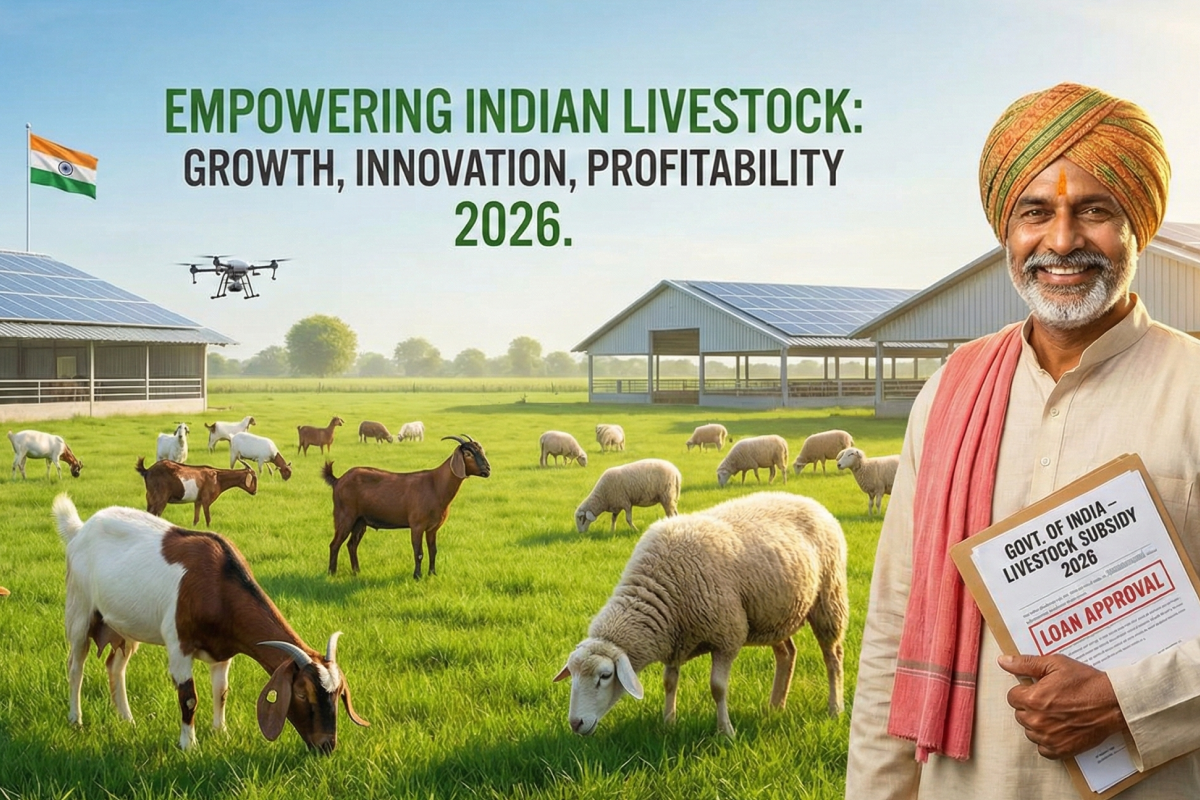
Goat and sheep farming Business have long been integral to India’s rural economy, providing livelihood, nutrition, and financial security to millions of households. As of 2026, the sector is experiencing a renewed surge, driven by robust government support, evolving market demand, and innovative business models. This comprehensive guide explores every facet of goat and sheep farming in India for 2026, including the latest government schemes, financial assistance, business planning, profitability analysis, and practical strategies for sustainable and profitable operations. Drawing on the most current data, policy updates, and field-level insights, this report is designed to serve as a definitive resource for aspiring and established livestock entrepreneurs.
Overview of Goat and Sheep Farming Business in India (2026)
India is home to the world’s largest goat population (over 148 million) and the second-largest sheep population (over 74 million), according to the 20th Livestock Census and ICAR estimates. These small ruminants are vital for small and marginal farmers, landless laborers, and women, especially in arid and semi-arid regions where crop farming is risky or unviable. Goats and sheep are prized for their adaptability, low input requirements, and ability to convert diverse feed resources into high-value products meat, milk, wool, manure, and breeding stock.
Adaptability Across Diverse Climates
A major strength of goat and sheep farming in India lies in the remarkable adaptability of these animals to varied agro-climatic zones. For example, in states like Maharashtra, the typical monsoon climate—characterized by hot summers, rainy monsoons, and cooler winters, with temperatures ranging from 22°C to 39°C—creates favorable conditions for rearing both indigenous and crossbred goats. This flexibility allows farmers to integrate local breeds with improved varieties, enhancing productivity while maintaining resilience against climatic stress.
From Rajasthan’s arid tracts to the humid plateaus of Karnataka and the hilly terrains of Uttarakhand, goats and sheep thrive where other livestock might struggle. This makes them an indispensable asset for rural households, enabling year-round income and nutritional security regardless of landholding size or rainfall variability.
The sector’s commercial potential is underscored by the growing demand for chevon (goat meat), mutton, goat milk, and value-added products such as cheese and organic manure. The mutton industry alone is valued at over ₹30,000 crore, with annual demand rising by 8–10%. Export opportunities are expanding, particularly to Gulf countries, and urban markets are witnessing a surge in demand for goat milk-based products and artisanal cheeses.
Government interventions especially the National Livestock Mission (NLM), Bakri Palan Yojana, and state-level schemes are making goat and sheep farming more accessible and profitable. These programs offer substantial subsidies, credit-linked loans, training, and market linkages, catalyzing rural entrepreneurship and income diversification
Goats as Natural Managers of Grazing Lands
Goats play a remarkable role in the ecological management of pasture and rangelands. When carefully managed, these animals help curb bush overgrowth and invasive weeds that can otherwise take over grazing areas. Unlike cattle or sheep, goats have a browsing habit—they prefer to munch on shrubs, branches, and hardy plants that are often left untouched by other livestock.
This makes goats invaluable for:
- Controlling unwanted vegetation: Goats can naturally suppress the spread of thorny bushes, woody plants, and weeds, which might choke out nutritious grasses for other animals.
- Preventing bush encroachment: By chewing down invasive species, goats help keep grazing lands open and productive.
- Improving pasture health: Their foraging can stimulate new grass growth and increase the diversity of plant species.
However, it’s important to note that these benefits are maximized only when herds are rotated properly and overgrazing is avoided. Well-planned grazing with goats not only protects the soil and native grasses but also reduces the need for chemical herbicides, offering a sustainable option for land management.
National Livestock Mission (NLM) 2026 – Scheme Details
The National Livestock Mission (NLM), implemented by the Department of Animal Husbandry & Dairying, is the flagship central government scheme supporting entrepreneurship and productivity in the livestock sector. Realigned in 2021–22 and further strengthened for 2026, NLM’s objectives include:
- Employment generation through entrepreneurship in small ruminants (goat, sheep), poultry, piggery, and fodder sectors.
- Breed improvement to enhance per-animal productivity.
- Increased production of meat, milk, egg, wool, and fodder.
- Strengthening feed and fodder supply chains.
- Risk management via livestock insurance and innovation.
- Capacity building and extension services for farmers.
NLM 2026: Key Features
- Eligibility: Individual farmers, SHGs, FPOs, startups, Section 8 companies, and cooperatives.
- Coverage: Capital costs for infrastructure, breeding stock, equipment, feed/fodder units, and animal waste management.
- Application: Online via the NLM portal (https://nlm.udyamimitra.in), with project report (DPR), KYC, and land documents required.
- Livestock Insurance: Premium subsidy (beneficiary share reduced to 15%), coverage for up to 10 cattle units (1 unit = 10 goats/sheep), and RFID-based animal identification.
NLM 2026: Subsidy Rates and Eligibility
| Category | Subsidy Rate | Maximum Limit | Eligibility Criteria |
| General | 50% | ₹50 lakh | Individuals, SHGs, FPOs, Section 8 Cos. |
| SC/ST/Women/Minorities | Up to 65% | ₹50 lakh | As above; higher rates for reserved groups |
| State-specific (e.g., Bihar SC/ST) | Up to 90% | Varies (state cap) | As per state guidelines |
Note: Minimum project size for NLM subsidy is typically 500 female goats and 25 male goats for commercial units; smaller units may be eligible under state schemes or Pashu Kisan Credit Card.
NLM 2026: Application Process
- Register and apply online at https://nlm.udyamimitra.in.
- Upload DPR, land/lease documents, KYC, and select preferred bank.
- Await verification by State Implementing Agency (SIA) and bank.
- Upon approval, subsidy is credited to the bank account or adjusted against the loan.
Tip: Strong DPRs and geo-tagging of farm locations improve approval chances.
Bakri Palan Yojana 2026 and State-Level Goat Schemes
Bakri Palan Yojana 2026 is a major initiative to promote goat farming as a self-employment and income-generating activity, especially for rural youth, women, and small/marginal farmers. The scheme operates through a combination of bank loans and government subsidies, making goat farming accessible and less risky.
Bakri Palan Yojana 2026: Key Features
- Loan Amount: ₹50,000 to ₹10 lakh (or more for large units).
- Subsidy: 25–50% of project cost, with higher rates for SC/ST, women, and reserved categories.
- Eligibility: Indian citizens aged 18–60, with preference for rural, women, and weaker sections.
- Purpose: Purchase of goats, shed construction, feed, healthcare, and allied activities.
- Application: Offline through banks or online via state portals; DPR required
State-Level Schemes (Maharashtra, Bihar, Tamil Nadu, etc.)
Many states offer additional subsidies (up to 60% or even 90% for SC/ST in Bihar) and support for goat and sheep farming. For example:
- Maharashtra: 40–60% subsidy for goat units, with special focus on women and SHGs.
- Bihar: Up to 90% subsidy for SC/ST under the Integrated Goat and Sheep Development Scheme.
- Tamil Nadu: Livestock Development Scheme (LDS) and Integrated Goat Development Project (IGDP) provide up to 50% subsidy and technical support.
Application is typically through state animal husbandry departments, local veterinary offices, or designated online portals.
Common Goat Rearing Methods in Maharashtra
Goat farmers in Maharashtra typically choose from three main rearing methods, each with its own set of practices:
- Extensive Method: Goats graze freely over large areas, usually on natural pastures or community lands. This traditional approach requires minimal input cost but depends heavily on the availability of grazing land.
- Semi-Intensive Method: Farmers combine controlled grazing with supplementary feeding. Goats spend part of the day on pastures, while additional nutrition comes from fodder or agricultural byproducts. This balanced method helps increase productivity without hefty investment.
- Intensive (Commercial) Method: Goats are kept in sheds or enclosures and are fed a carefully managed diet, often with high-quality commercial feed and green fodder. This technique is favored by commercial units aiming for higher yields and better disease control but involves greater investment and expertise.
Choosing the right method depends on resources, herd size, and business goals, with many government schemes supporting all three approaches.
Breeding Policy for Goats in Maharashtra
Maharashtra’s breeding policy for goats aims to boost rural livelihoods by enhancing both milk and meat production. The emphasis is on improving the genetic quality of locally available breeds, especially indigenous varieties like Osmanabadi and Sangamneri.
- Selective Breeding: There’s a strong focus on selective breeding of these native goats to promote traits like higher milk yield, better growth rates, and increased reproductive efficiency.
- Dual-Purpose Breeds: The policy encourages the use of both indigenous and suitable exotic dual-purpose breeds, particularly those known for prolificacy (such as frequent twinning), to upgrade existing non-descript local goat populations.
- Methods: This improvement is carried out through planned breeding programs—either by sourcing superior breeding stock from within the state or, when appropriate, by introducing high-performing exotic breeds in a controlled, experimental fashion.
Overall, these efforts are designed to make goat farming in Maharashtra more productive, resilient, and sustainable—especially for small farmers and rural communities seeking reliable income streams.
Ideal Locations for Goat Farming in Maharashtra
When it comes to choosing the right spot for goat farming in Maharashtra, several key factors come into play. Goats thrive best in well-drained, warm environments—making much of rural Maharashtra naturally suitable.
Look for areas with:
- Ample Grazing Land: Goats need easy access to pasture for grazing. Fields or open spaces away from crowded urban areas are ideal.
- Distance from Industrial Pollution: Settle your farm a good distance from cities and industrial zones. Cleaner air leads to healthier herds.
- Ready Water Supply: Reliable sources for clean water—whether borewells or natural streams—are vital for maintaining livestock health.
- Basic Infrastructure: Proximity to local markets, veterinary care, and supply shops can make daily operations much simpler.
Regions like Ahmednagar, Nashik, Satara, and Kolhapur are popular choices due to their abundant pastureland and established agricultural networks. Carefully considering these elements will help set up a thriving and sustainable goat farming enterprise.
Goat Farming Loan Schemes and Banks – NABARD, Commercial Banks, RRBs
Access to affordable credit is a cornerstone of successful livestock entrepreneurship. In 2026, several institutional channels provide loans for goat and sheep farming:
NABARD-Backed Loans
- NABARD (National Bank for Agriculture and Rural Development): Provides refinance support to commercial banks, regional rural banks (RRBs), and cooperatives for livestock loans.
- Loan Amount: ₹50,000 to ₹10 lakh (or more for commercial units).
- Interest Rate: 7–12% per annum (varies by bank and scheme).
- Repayment Tenure: 5–7 years, with moratorium during gestation period.
- Collateral: Collateral-free loans possible under Mudra and CGTMSE for small units.
Other Loan Schemes
- PMEGP (Prime Minister’s Employment Generation Programme): 15–35% subsidy for rural entrepreneurs, up to ₹25 lakh for manufacturing and ₹10 lakh for service units.
- Mudra Loans: For micro-enterprises; Shishu (up to ₹50,000), Kishore (₹50,000–₹5 lakh), Tarun (₹5–10 lakh).
- Pashu Kisan Credit Card: Short-term working capital for livestock farmers.
- State Cooperative Banks and District Central Cooperative Banks: Offer livestock loans with state-specific subsidies.
Loan Application Process
- Prepare a bankable DPR with technical, financial, and market details.
- Approach the preferred bank branch with DPR and required documents (Aadhaar, PAN, land/lease papers, bank statements, photos).
- Bank evaluates project feasibility and conducts site verification.
- Upon approval, loan is sanctioned and disbursed; subsidy is credited as per scheme guidelines.
- Timely repayment builds credit history and eligibility for future expansion.
Professional DPRs and basic livestock training improve loan approval chances.
Budget 2026-27 Measures Affecting Livestock Sector
The Union Budget 2026–27 has reinforced the government’s commitment to rural diversification and livestock sector growth. Key highlights include:
- Allocation: ₹1,62,671 crore for agriculture and allied activities (up 7.12% from previous year).
- Veterinary Infrastructure: Loan-linked capital subsidy scheme to add 20,000+ veterinary professionals, support for new veterinary colleges, hospitals, and labs.
- Livestock Insurance: Enhanced coverage and premium subsidy under NLM.
- Entrepreneurship: Focus on small and marginal farmers, with targeted efforts for productivity enhancement and rural employment.
- Market Linkages: Strengthening value chains, support for FPOs, and promotion of high-value crops and livestock products.
These measures are expected to improve animal health services, reduce mortality, and create a more enabling environment for livestock entrepreneurs.
Goat Farming Business Plan – Step-by-Step (DPR Components)
A well-structured business plan or Detailed Project Report (DPR) is essential for securing loans, subsidies, and ensuring operational success. Key components include:
1. Executive Summary
- Vision, mission, and objectives of the goat/sheep farming venture.
- Overview of products (meat, milk, breeding, manure, value-added).
2. Market Analysis
- Local and regional demand for goat/sheep products.
- Price trends, competition, and market linkages.
3. Breed Selection
- Choice of breeds based on production goals (meat, milk, dual-purpose).
- Source of breeding stock and genetic improvement plans.
4. Infrastructure and Housing
- Land selection, shed design (ventilation, drainage, predator protection). When planning for land, around 1.5 acres of low-quality grazing land can typically support 2 to 4 goats, while 1.5 to 2 acres of high-yielding pasture is sufficient for sustaining 6 to 8 goats comfortably. Proper site selection ensures both adequate space for grazing and efficient shed placement, supporting healthy flock growth and easier management.
- Fencing, water supply, feed storage, and waste management.
- shelter Requirements for Goat Farming
- Providing suitable shelter is crucial for maintaining the health and productivity of your herd. Fortunately, goats are hardy animals that require relatively simple housing solutions. The key is to offer robust protection from rain, intense sun, wind, and cold snaps—all while ensuring the space remains well-ventilated and dry.
- Structure: A basic four-sided shed works well, provided it’s draft-free and safeguards goats—especially kids and nursing does—from harsh weather or predators. Materials can vary, ranging from traditional brick-and-mortar sheds to well-constructed wooden barns or even repurposed greenhouse structures. Utilize whatever building style is most accessible and cost efficient for your operation, keeping in mind practical layout considerations for cleaning and animal movement.
- Bedding: Goats appreciate comfortable bedding such as straw, shredded newspaper, or agricultural byproducts like corn cobs. Allow for at least 15 square feet of bedded area per goat. Goats tend to prefer sleeping with their heads uphill or on slightly raised platforms, so consider including built-in benches or mounds inside the shelter.
- Additional Tips: Ensure shelters are easy to clean and offer good drainage to prevent dampness, which leads to hoof problems and respiratory issues. If possible, include a secure enclosure or fenced yard so goats have access to exercise and fresh air—while remaining protected from stray animals.
- Thoughtful attention to shelter design not only improves animal welfare but also plays a pivotal role in the long-term profitability of the goat farming enterprise.
- Shelter and Fencing Essentials for Goat Farming
- A well-thought-out shelter and robust fencing system are key pillars of any successful goat farming operation.
- Shelter Requirements
- Goats are hardy animals, but they do require protection from harsh weather—be it blazing sun, heavy rains, or chilly winds. Simple, draft-free structures with solid roofing on all four sides serve the purpose well. For small-scale operations, options like greenhouse barns, calf hutches, or even large wooden boxes can be adapted for goat housing.
- Some things to keep in mind:
- Ensure proper drainage and ventilation to maintain a dry, healthy environment and reduce disease risks.
- Allow around 15 square feet of bedding space per adult goat for their comfort. Goats have a knack for seeking out raised or uphill spots to sleep, so providing slatted platforms or bedding mounds (made from straw, wood shavings, or similar material) is always appreciated.
- Fencing Considerations
- Goats have earned their reputation as expert escape artists—if there’s a weak point, they’ll find it. Your fencing must strike a balance:
- Sturdy enough to withstand a goat’s persistent nudges and climbing attempts.
- Secure enough to keep out dogs, foxes, or other potential predators.
- Popular fencing solutions include:
- Woven wire mesh fencing topped with a wooden board for extra height and security.
- Electric fencing can be effective but is typically costlier and can pose risks if not managed properly.
- Barbed wire, while more affordable, is usually less effective unless combined with mesh or boards, as goats may try to squeeze through or climb over.
- Whichever method you choose, regular checks and prompt repairs are essential to maintain the integrity of your perimeter. A secure shelter and fencing system not only keep your goats safe and healthy but also protect your peace of mind as a livestock entrepreneur.
- shelter Requirements for Goat Farming
5. Fodder and Feed Management
- Green and dry fodder planning, concentrate feed formulation.
- On-farm fodder cultivation and cost optimization.
6. Health Management
- Vaccination and deworming schedules.
- Veterinary tie-ups and insurance coverage.
7. Financial Projections
- Capital investment (animals, shed, equipment).
- Recurring costs (feed, labor, healthcare, utilities).
- Revenue streams (sale of animals, milk, manure, value-added products).
- Profitability analysis, break-even, and cash flow projections.
8. Risk Management
- Insurance, contingency planning, and disease control.
9. Training and Capacity Building
- Details of training undertaken or planned.
10. Sustainability and Value Addition
- Waste management, renewable energy, and value-added enterprises.
A strong DPR is critical for loan and subsidy approval.
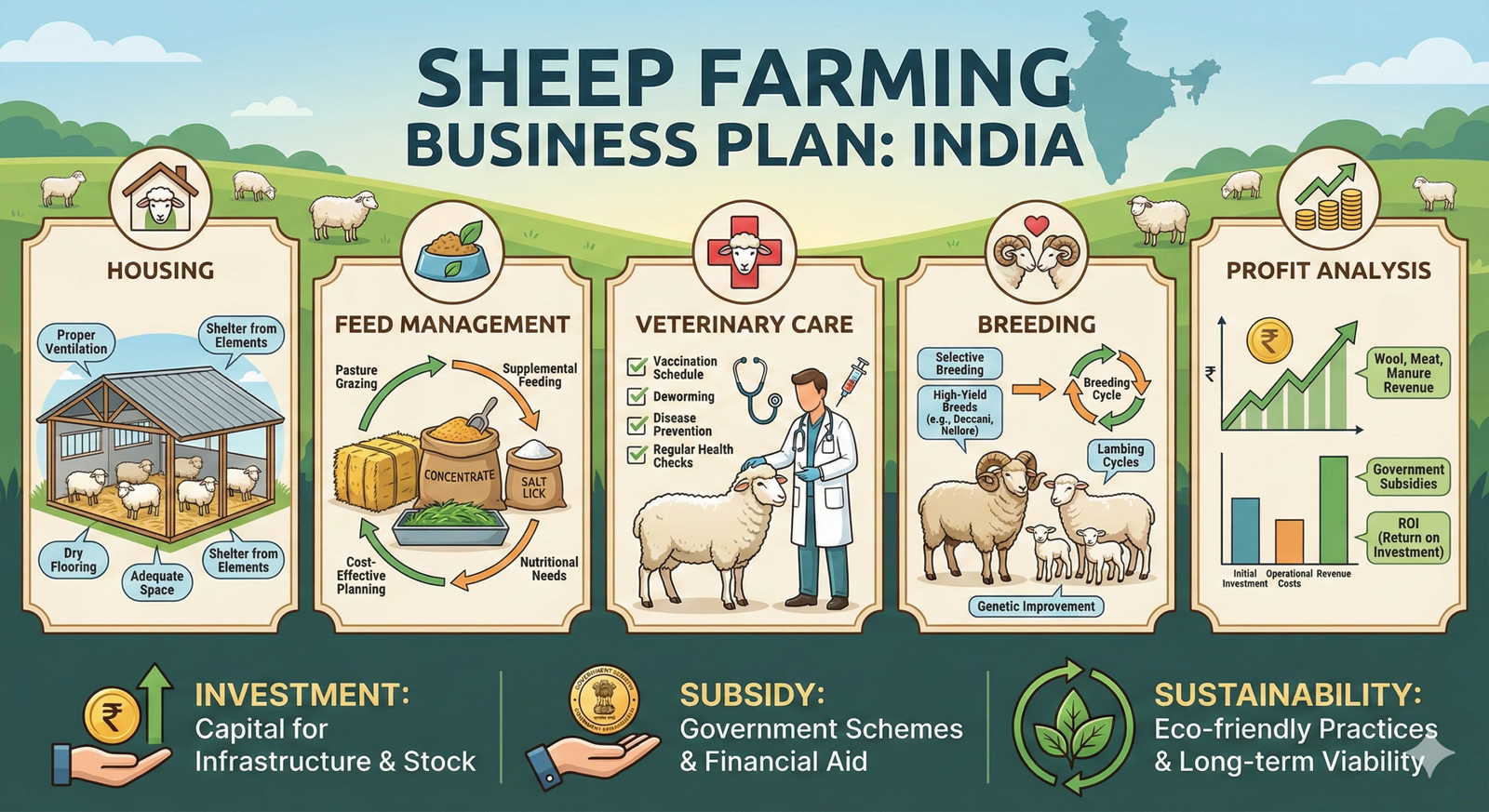
Sheep Farming Business Plan and Breed Selection
Sheep farming in India is predominantly focused on meat (mutton), wool, and manure production. The business plan structure is similar to goat farming, with additional emphasis on breed selection for specific outputs (meat vs. wool).Hardy, prolific, adaptable
Popular Sheep Breeds and Their Utility
| Breed | Region/State | Major Utility | Key Features |
| Deccani | Maharashtra, Karnataka | Meat | Hardy, prolific, adaptable |
| Nellore | Andhra Pradesh | Meat | Tallest breed, fast growth |
| Marwari | Rajasthan, Gujarat | Meat, Carpet Wool | Hardy, migratory, good walkers |
| Chokla, Nali | Rajasthan | Carpet Wool | Fine wool, suited for arid zones |
| Mandya | Karnataka | Meat | Excellent meat quality |
| Mecheri | Tamil Nadu | Meat, Skin | High-quality skin, prolific |
| Garole | West Bengal | Meat, Prolificacy | High twinning/triplet rates |
Breed selection should align with agro-climatic conditions and market demand.
Breed Selection for Profit – Goat Breeds
Choosing the right goat breed is crucial for maximizing returns. The following table summarizes the most profitable breeds for different purposes
| Breed | Region/State | Major Utility | Key Features |
| Jamunapari | UP, MP, Rajasthan | Milk, Meat | Large size, high milk yield, fast growth |
| Beetal | Punjab, Haryana | Milk, Meat | Dual-purpose, adaptable, good meat |
| Sirohi | Rajasthan, Gujarat | Meat | Hardy, low maintenance, fast growth |
| Black Bengal | WB, Bihar, Odisha | Meat | Small size, prolific, excellent meat |
| Barbari | UP, Haryana, Punjab | Milk, Meat | Prolific, early maturity, dual-purpose |
| Osmanabadi | Maharashtra | Milk, Meat | Disease-resistant, dual-purpose |
| Boer (Exotic) | Pan-India | Meat | Fastest growth, high meat yield |
Special mention: The Osmanabadi goat, widely used for goat farming in Maharashtra, is particularly noted for producing more kids in each gestation period, making it a popular choice for farmers seeking higher productivity. Its robust health, adaptability, and prolific breeding make it suitable for both meat and milk enterprises, further enhancing its profitability across varied agro-climatic zones.
Key Goat Breeds of Maharashtra and Their Traits
Selecting the right breed can make or break your goat farming venture, especially when local adaptability and production goals matter. Maharashtra is home to several notable goat breeds, each bringing something different to the table.
Konkan Kanyal:
Originating from the coastal Konkan belt, Konkan Kanyal goats stand out thanks to their mostly black coats highlighted with distinctive white markings—most notably, white underbellies and striking bilateral white stripes running from nostrils to ears. Their long legs and pendulous ears help them thrive in the humid region, making them a hardy choice for local farmers.
Sangamneri:
Named after the Sangamner Tehsil in Ahmednagar, Sangamneri goats are highly regarded for their dual-purpose utility (milk and meat). These goats are medium-sized, typically white with patches of black or brown, and feature twisted horns and drooping ears. With a lactation period of about 120 days, they’re popular across Ahmednagar, Nasik, and Pune for their reliable milk yield and adaptability.
Osmanabadi:
Osmanabadi goats are widely farmed across Maharashtra for both meat and milk. Predominantly black in color (though white, brown, or spotted individuals are also common), they’re large, robust animals. Males can tip the scales at up to 45 kg and are generally horned. With a lactation yield that can reach up to 1.5 kg of milk per day over roughly four months, Osmanabadis are especially prized for their prolific reproduction and strong growth in stall-feeding systems.
Berari:
Well-suited to the Vidarbha region, Berari goats are kept primarily for meat. These medium-sized goats are easy to spot: their coats are brown or blackish-brown with a notable sheen. Beraris are known for their genetic diversity, which serves as an asset for both natural resilience and ongoing improvement programs.
Understanding these breed characteristics can help align your stock choices with regional conditions and production objectives, setting the stage for a sustainable and profitable operation.
The Role of Artificial Insemination in Goat Breeding
Artificial insemination (AI) is increasingly adopted in modern goat breeding for several compelling reasons. First, it allows farmers to access superior genetics from high-performing bucks nationwide—without transporting animals or risking disease introduction. By selecting proven sires, you can rapidly improve traits like milk yield, growth rate, and disease resistance across your herd.
Additionally, AI streamlines breeding management, especially in larger operations, making the process more predictable and less labor-intensive. It also helps synchronize breeding cycles, increasing the chances of concentrated kidding periods for better management.
In short, artificial insemination is a strategic tool for accelerating genetic gains and boosting overall productivity, especially where access to quality breeding stock is limited or farm health is a priority.
Housing, Infrastructure, and Cost Estimates
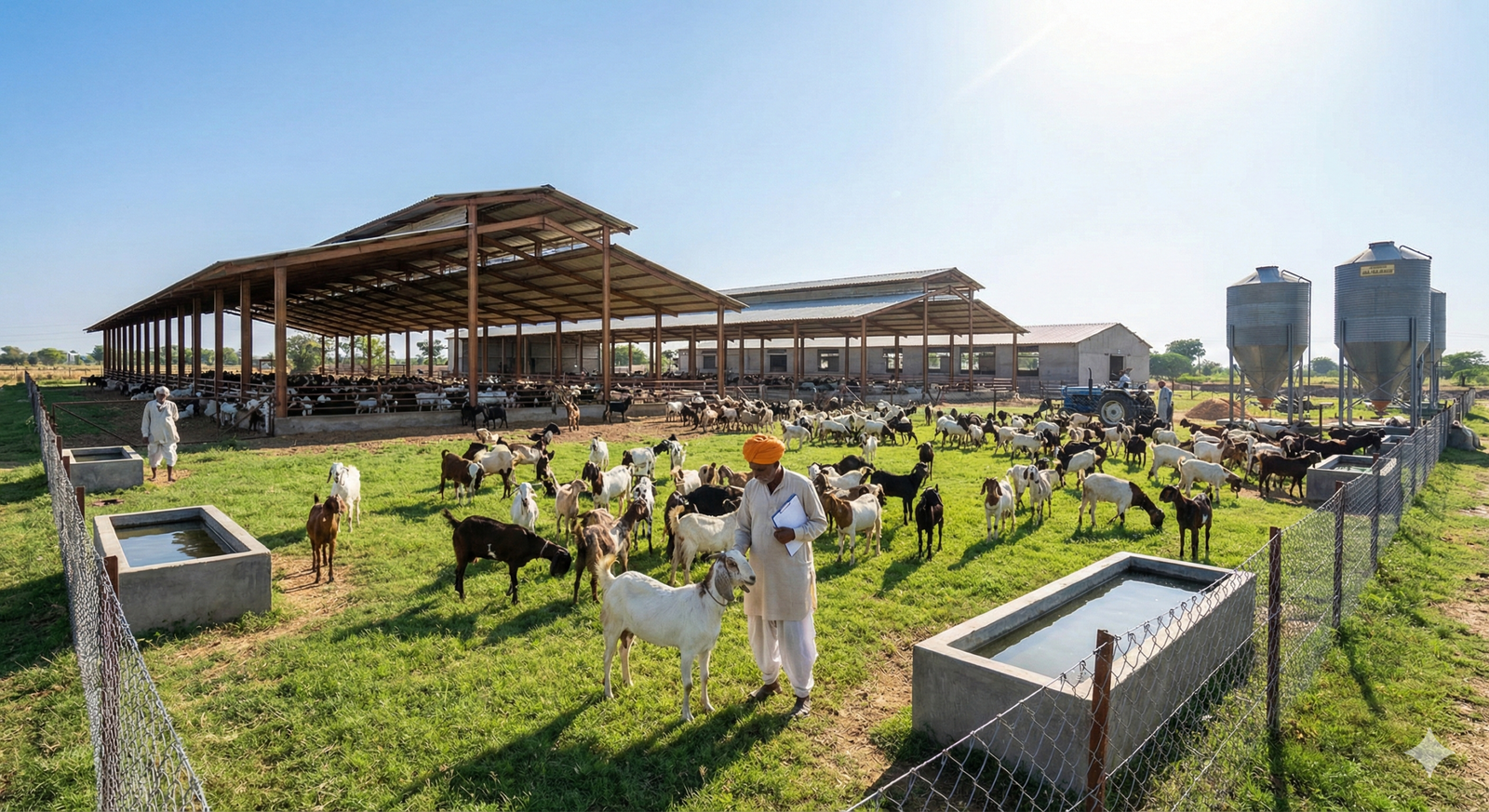
Proper housing is vital for animal health, productivity, and ease of management. Shed design should ensure ventilation, drainage, predator protection, and ease of cleaning.
Housing Guidelines
- Space: 10–12 sq. ft. per adult goat/sheep; 3–5 sq. ft. per kid/lamb.
- Materials: Local bamboo, wood, bricks, or semi-pucca structures.
- Cost Estimates (2026):
- Small unit (20 goats): ₹15,000–₹40,000
- Medium unit (50 goats): ₹40,000–₹1,00,000
- Commercial unit (100+ goats): ₹1,00,000–₹3,00,000
Low-cost, elevated, and well-ventilated sheds are recommended for disease prevention and ease of maintenance.
Fencing and Predator Protection
Goats are notorious escape artists, so a sturdy fence is essential to keep them safely contained and protect them from predators. The fencing should be robust enough to prevent goats from slipping out and to deter stray dogs, jackals, or other harmful animals from getting in. Woven wire topped with a wooden board offers excellent security, though it can be costly. For a more economical option, barbed wire is commonly used and provides reasonable safety, but ensure it is tall and tight enough to deter climbing or squeezing through. While electric fencing is sometimes used for livestock, it is generally not recommended for goats.
A well-constructed fence not only keeps your animals secure but also saves you from the constant challenge of tracking down wandering goats and helps reduce losses from predation.
Care and Management Practices for Goats in Maharashtra
Proper care and thoughtful management are the backbone of a thriving goat farm. In Maharashtra’s varied climate, a few simple principles go a long way toward healthy, productive flocks and reduced headaches for the farmer.
Shelter and Environment
- Elevated and Dry: Build sheds slightly above ground level to prevent waterlogging during the monsoon.
- Natural Materials: Structures can be constructed using locally available resources—bamboo, wood, and thatch all work well and help keep costs in check.
- Ventilation: Ensure adequate airflow to minimize heat stress and respiratory issues.
- Space Requirements:
- Adult goats: 10–12 sq. ft. per animal.
- Kids: 3–5 sq. ft. per kid.
- Avoid crowding—overstocking leads to stress and rapid spread of disease.
- Hygiene: Regular cleaning and dry bedding keep disease at bay. Sick animals should be isolated promptly to stop infections from spreading through the group.
Land and Grazing
- A modest 1.5–2 acres suffices for a small group of goats, depending on land quality and fodder availability.
- Rotate grazing paddocks when possible to encourage regrowth and prevent overgrazing.
Feeding Essentials
- Goats thrive on a mix of green fodder (grasses, legumes, shrubs) and should always have access to fresh forage.
- Supplement their diet with grains such as wheat, maize, and pulses for extra energy.
- Provide a well-balanced mineral mix—iodized salt, bone meal, zinc, ferrous carbonate, lime, copper sulfate, and vitamins help optimize their growth and production.
- Each mature goat typically consumes 5–7 kg of fresh fodder and around a liter of clean water every day.
- For best results, include protein-rich feeds (14–15% protein content) and ensure adequate minerals.
General Tips
- Regularly check for signs of illness, and keep all sheds neat, dry, and well-drained.
- Simple, sturdy housing, thoughtful feeding, and keen observation keep your herd healthy and productive throughout the seasons.
Managing Goat Kids After Birth
For healthy growth and strong immunity, it’s essential that newborn kids remain with their mother for several weeks after birth. This close contact ensures the kids can nurse easily and receive vital colostrum, which supports their initial development.
Keep the enclosure clean and dry, paying special attention to hygiene in the kid-rearing area. Avoid feeding contaminated feed or water, and regularly remove waste to maintain a healthy environment. Prioritizing these early management steps will support the well-being of both young kids and their mothers.
Feeding, Nutrition, and Fodder Management
Feed accounts for 60–70% of total production cost, making efficient feed management the key to profitability.
Feeding Strategy
- Green Fodder: 3–5 kg/day/adult (Napier, lucerne, berseem, tree leaves).
- Dry Fodder: 0.5–1 kg/day/adult (wheat/paddy straw, groundnut haulms).
- Concentrates: 200–400 g/day/adult (maize, bran, oil cakes, mineral mix).
- Minerals & Salt: 10–15 g/day/adult; salt lick or mixed in feed.
- Water: 4–5 liters/day/adult (double during lactation).
On-farm fodder cultivation and use of tree leaves (subabul, moringa) reduce costs and improve nutrition.
Health Management, Vaccination, and Disease Control
Preventive healthcare is essential to minimize mortality and maximize productivity.
Recommended Vaccination Schedule
| Disease | Primary Vaccination | Booster/Repeat | Frequency |
| PPR (Goat Plague) | At 3 months | Every 3 years | Annually/3 years |
| Foot & Mouth Disease | At 3–4 months | 3–4 weeks after 1st | Every 6/12 months |
| Goat/Sheep Pox | At 3–5 months | 3–4 weeks after 1st | Annually |
| Enterotoxaemia | At 3–5 months | 3–4 weeks after 1st | Annually |
| Hemorrhagic Septicemia | At 3–5 months | 3–4 weeks after 1st | Annually |
Deworming: Every 3–4 months for kids, every 4–6 months for adults.
Biosecurity: Quarantine new animals, regular cleaning, and prompt isolation of sick animals.
Everyday Health & Hygiene Best Practices
- Housing Hygiene: Sheds should be washed thoroughly and disinfected at least once a month. Clean food and water troughs regularly to prevent the build-up of pathogens.
- Water & Feed: Always provide access to clean, uncontaminated water, and ensure feed is fresh and hygienic.
- Parasite Control: Goats are prone to endoparasite infection—deworm kids monthly and does just before breeding. For external parasites like lice, ticks, or mites, use approved acaricides as needed.
- Sick Animal Management: Isolate any sick goats immediately upon detection and administer timely treatment to prevent the spread of disease.
- New Animals: Quarantine newly introduced goats to the flock, monitoring them for signs of illness before mixing with the main herd.
- Weather Protection: Provide adequate shelter, especially during rains and winter, to protect goats from stress and disease.
- Zoonotic Disease Prevention: Regularly vaccinate against major diseases such as goat pox and plague, and take measures to prevent zoonotic infections (e.g., salmonellosis, brucellosis) which can spread rapidly.
- Mother & Kid Care: Keep kids with their mothers for several weeks post-birth to ensure adequate nutrition and immunity.
- Artificial Insemination: Consider artificial insemination for breeding efficiency and genetic improvement.
- Stock of Medicines: Maintain a basic stock of essential vaccines and medicines for prompt response to health issues.
By consistently following these best practices—alongside the recommended vaccination schedule and deworming routine—you can ensure a healthy, productive, and disease-free goat herd, setting a solid foundation for long-term farm profitability.
External Parasite Control – Lice, Ticks, and Mites
External parasites can cause significant discomfort and loss in productivity if not managed promptly. To effectively control lice, ticks, and mites, goats should be treated regularly with appropriate ectoparasitic solutions—such as sprays or pour-ons containing acaricides (like cypermethrin or amitraz). It’s essential to:
- Apply treatments at recommended intervals, especially during warm and humid seasons when infestations are common.
- Clean and disinfect housing, resting areas, and equipment to minimize risk of reinfestation.
- Periodically inspect animals for early signs of external parasites and treat affected individuals promptly.
- Rotate the type of acaricide used to prevent resistance.
Maintaining good hygiene and consistent monitoring are fundamental for keeping your herd free from these pests and ensuring optimum health and productivity.
Ensuring Quality and Hygiene of Goat Meat
Delivering clean, hygienic, and safe goat meat to consumers starts with robust practices at every step of the supply chain.
Key Measures for Meat Quality
- Hygienic Slaughtering Facilities: Prioritize the use of modern, ISO-compliant slaughterhouses, especially in urban centers. These facilities should have clear protocols for sanitation, waste disposal, and meat inspection to reduce contamination risks.
- Effective Bio-Waste Management: Adopt proper disposal systems for waste generated during processing. Ensuring that by-products and waste are managed according to best practices is crucial to prevent environmental hazards and maintain sanitary conditions.
- Marketing and Traceability: Developing marketing strategies that support transparency from farm to consumer helps build trust and assures buyers of quality standards. Traceability systems and clear labeling—such as QR codes or certifications—can further strengthen consumer confidence.
- Public-Private Collaboration: Encourage models such as public-private partnerships to set up advanced meat processing infrastructure. This approach accelerates the adoption of best practices, making high-quality, hygienic meat more widely available.
Focusing on these strategies ensures both public health and the consistent delivery of premium goat meat, laying the foundation for a thriving, reputable goat meat industry.
Profitability Analysis and Monthly Profit Estimates
Profitability depends on scale, breed, management, and market access. Below are cost and profit estimates for different scales, based on 2025–26 data.
Goat Farming Profit Estimates (2026)
| Unit Size | Initial Investment (₹) | Annual Income (₹) | Annual Expenses (₹) | Net Profit (Year 2+) (₹) | Monthly Profit (₹) |
| 20 goats | 3,06,000 | 3,50,000–4,00,000 | 2,30,000–2,50,000 | 1,20,000–1,50,000 | 10,000–12,500 |
| 50 goats | 7,55,000 | 8,00,000–9,00,000 | 4,50,000–5,00,000 | 3,50,000–4,50,000 | 29,000–37,500 |
| 100 goats | 14,20,000 | 17,00,000–18,00,000 | 8,00,000–9,00,000 | 7,50,000–9,00,000 | 62,500–75,000 |
Note: First-year profit is lower due to capital investment and herd buildup; profits rise from year two onward as herd size and reproduction increase.
Sheep farming profitability is similar, with additional income from wool and manure in some regions.
Market Linkages, Pricing, and Value Chains
Market access is critical for maximizing returns. Goat and sheep products are sold through:
- Local meat markets: Direct to butchers, restaurants, or consumers.
- Dairy cooperatives: For goat milk (Amul, Mother Dairy, local dairies).
- Export channels: Especially for live animals and meat during festive seasons.
- Online and social media platforms: For bulk and value-added sales.
Strengthening Market Strategies
To ensure both producers and consumers benefit, adopting structured trade models—similar to Agricultural Produce Marketing Committees (APMCs)—can help establish transparent pricing and efficient sales processes. Encouraging private, cooperative, and corporate participation fosters competition and fair returns for farmers, while making quality goat meat accessible to buyers.
- Focus on quality and hygiene: Establishing modern, ISO-standard slaughterhouses under public-private partnerships in metro areas can guarantee clean, hygienic meat for urban consumers and improve public health outcomes.
- Bio-waste management: Implement proper disposal and management systems at slaughter points to address environmental and health concerns associated with wet slaughter practices.
- Export competitiveness: Developing a dedicated marketing strategy and robust infrastructure will enhance export opportunities, especially during high-demand seasons.
Price Trends (2026):
- Goat meat: ₹700–₹1,000/kg (retail, varies by region and season).
- Live goat (Eid/export): ₹12,000–₹20,000 per animal.
- Goat milk: ₹60–₹100/liter (urban markets).
- Breeding stock: Premium for purebred, disease-free animals.
Value addition (cheese, soap, manure) and direct-to-consumer sales enhance profitability.
Modernizing Slaughterhouse Infrastructure
Upgrading slaughterhouse facilities is key to ensuring the steady growth of the goat meat sector. One effective approach is the development of modern, ISO-compliant small ruminant slaughterhouses in major urban centers. These facilities can be built and managed through public-private partnerships (PPP), combining government oversight with private sector efficiency.
By implementing state-of-the-art hygiene protocols and efficient processing lines, modern slaughterhouses not only improve the quality and safety of meat but also streamline the supply chain. This ensures that both local consumers and export markets receive clean, high-quality goat meat. A robust infrastructure supports transparent, traceable operations—which is increasingly important for health-conscious and international buyers—while also opening up new market opportunities for farmers and traders alike.
Processing, Value Addition, and Allied Enterprises
Diversifying income streams through value addition is a growing trend.
Opportunities
- Goat Milk Cheese: High demand in urban markets; artisanal cheese market growing at 14.8% CAGR (2026–33).
- Goat Milk Soap: Global market projected to reach $3.4 billion by 2033; India is a high-growth region.
- Manure: Organic fertilizer for local farmers or packaged for retail.
- Leather and Skin: Used in handicrafts and leather goods.
Entrepreneurs can tap into niche markets for premium, organic, and artisanal products.
Sustainable Slaughterhouse Practices and Bio-Waste Management
A modern approach to bio-waste disposal and slaughterhouse management is rapidly gaining traction, especially as demand for quality goat meat grows in urban and export markets. Here’s how the industry is leveling up:
- Eco-Friendly Waste Disposal: Adopting safe and responsible methods for managing slaughterhouse waste—like composting or bio-digesters—ensures environmental compliance and cleaner operations.
- Hygienic, ISO-Certified Facilities: There’s a push toward establishing small ruminant slaughterhouses that meet stringent ISO standards. These modern facilities, often developed through public-private partnerships, help guarantee hygienic meat processing from start to finish.
- End-to-End Cleanliness: By integrating best practices throughout the processing chain, from handling livestock to final packaging, producers can confidently supply meat that meets both local and global quality expectations.
Ultimately, embracing these measures doesn’t just benefit public health; it also opens up new avenues for export and positions brands as leaders in clean, sustainable goat meat production.
Risk Management, Insurance, and Contingency Planning
Livestock farming carries risks—disease, mortality, theft, and market fluctuations. Risk mitigation strategies include:
- Livestock Insurance: Subsidized under NLM; covers up to 10 cattle units per household (1 unit = 10 goats/sheep); premium subsidy up to 85%.
- Biosecurity: Quarantine, vaccination, and hygiene.
- Diversification: Multiple revenue streams (meat, milk, manure, value-added).
- Contingency Fund: Reserve for emergencies (disease outbreak, price crash).
Insurance is strongly recommended for all commercial units.
Training, Capacity Building, and Extension Services
Training is vital for scientific management and maximizing returns. Key avenues include:
- Krishi Vigyan Kendras (KVKs): Offer hands-on training in animal husbandry.
- State Animal Husbandry Departments: Regular workshops and field days.
- ICAR Institutes (e.g., CIRG, CSWRI): Specialized courses and technical support.
- Mobile Apps: Tools like GoatX for health and breeding management.
Participation in training improves loan and subsidy eligibility and operational success.
Case Studies and Regional Profitability Studies
Tamil Nadu (Namakkal District)
A study in Namakkal, Tamil Nadu, found that sustainable goat farming significantly supplements household income, enhances food security, and provides self-employment, especially for women and marginal farmers. Adoption of improved breeds, balanced feeding, and regular health management led to higher productivity and profits. Government schemes (LDS, IGDP) and extension services played a crucial role.
Maharashtra (Sirohi Goat Farm)
A commercial farm with 100 Sirohi goats in Maharashtra reported annual profits of ₹6.5–7 lakh from year two onward, with additional income from manure and breeding stock sales. Strategic breed selection, on-farm fodder cultivation, and preventive healthcare were key success factors.
Goat farming in Maharashtra is gaining momentum due to its low initial investment and strong demand for goat meat. In metro cities, goat meat fetches around ₹700 per kg, while in tier 2 and 3 cities, prices typically range from ₹550 to ₹600 per kg. With nearly 60% of Maharashtra’s population being meat-eaters, the market for goat products—meat, milk, skin, and fiber—remains robust.
Goats are valued for their tasty, nutritious meat and milk, both considered beneficial for health. These factors, combined with the region’s growing consumption and favorable market rates, make goat farming an attractive, sustainable venture for entrepreneurs and smallholders alike.
Rajasthan (Sheep Farming)
Sheep farmers in Rajasthan, using Deccani and Marwari breeds, achieved steady income from meat and wool, with net returns of ₹1,200–1,500 per sheep per year. Participation in state and central schemes improved access to credit and veterinary services.
Application Process, Documents, and Timelines for Subsidy & Loan
Required Documents
- Aadhaar card, PAN card
- Bank account details
- Land ownership/lease documents
- Detailed Project Report (DPR)
- Caste certificate (for reserved category subsidy)
- Training certificate (recommended)
- Passport-size photographs
Application Steps
- Prepare DPR with technical and financial details.
- Apply online (NLM portal) or offline (bank/state department).
- Submit documents and select preferred bank.
- Verification by bank and State Implementing Agency.
- Loan sanction and subsidy adjustment.
- Project implementation and monitoring.
Timeline: 2–6 weeks for loan approval; subsidy credited after project verification.
Comparison Table – Subsidy Schemes, Loan Options, and Profit Estimates
| Scheme/Option | Subsidy Rate | Loan Amount | Eligibility | Monthly Profit (100 goats) |
| NLM (Central) | 50% (up to ₹50 lakh) | ₹50,000–₹50 lakh | Individuals, SHGs, FPOs | ₹62,500–₹75,000 |
| Bakri Palan Yojana | 25–50% | ₹50,000–₹10 lakh | Rural youth, women, SC/ST | ₹10,000–₹37,500 |
| State Schemes (e.g., Bihar SC/ST) | Up to 90% | Varies | SC/ST, state residents | ₹10,000–₹37,500 |
| NABARD Loan | Linked to subsidy | ₹50,000–₹10 lakh | Farmers, SHGs, FPOs | As above |
| PMEGP | 15–35% | Up to ₹10 lakh | Rural entrepreneurs | As above |
| Mudra Loan | Nil (loan only) | Up to ₹10 lakh | Micro-enterprises | As above |
Note: Profit estimates are for well-managed commercial units from year two onward.
How to Get a Subsidy for Goat Farming
If you’re wondering how can I get a subsidy for goat farming, the process typically involves these steps:
- Identify the right scheme: Review central and state government schemes like NLM (National Livestock Mission), Bakri Palan Yojana, and state-specific opportunities available in your location (for example, Maharashtra or Bihar).
- Check eligibility: Most schemes are open to individuals, self-help groups (SHGs), farmer producer organizations (FPOs), rural youth, women, and SC/ST communities.
- Apply through the right channels: Applications are usually made via local banks, District Animal Husbandry offices, or through the official portals of schemes such as NABARD or PMEGP.
- Prepare a project report: Banks and subsidy authorities often require a detailed goat farming project report outlining your business plan, breed selection, infrastructure, and financial forecasts.
- Loan and subsidy disbursal: Once your loan is approved and the project is set up, the subsidy (as per scheme) is credited, reducing your repayment burden.
Example: Maharashtra Goat Farming Subsidy
For goat farming in Maharashtra, you may benefit from dedicated state government schemes in addition to central options. The Bakri Palan Yojana, for example, offers a subsidy rate of 25–50% for eligible beneficiaries, such as rural youth, women, and SC/ST groups. Application procedures often involve submitting a proposal to the District Animal Husbandry Department and following their verification process.
These schemes can significantly reduce your initial investment and improve monthly profits, especially as your herd grows and your farm management skills improve over time.
Conclusion and Action Plan
Goat and sheep farming in India, as of 2026, offers a compelling opportunity for sustainable rural entrepreneurship, income diversification, and food security. With robust government support subsidies up to 50–90%, accessible loans, and technical assistance aspiring farmers can launch and scale profitable ventures with manageable risk.
Action Steps:
- Develop a robust business plan (DPR) tailored to your goals and resources.
- Select high-yielding, locally adapted breeds for meat, milk, or dual-purpose.
- Invest in proper housing, feed, and preventive healthcare to maximize productivity.
- Leverage government schemes and bank loans for capital and operational support.
- Participate in training and extension programs to build technical skills.
- Explore value addition and direct marketing to enhance profitability.
- Implement risk management strategies, including insurance and diversification.
With scientific management, strategic planning, and proactive engagement with government and market institutions, goat and sheep farming can be transformed from a traditional sideline into a modern, scalable, and highly profitable agribusiness.
For further information and scheme updates, visit:
- National Livestock Mission: https://nlm.udyamimitra.in
- Department of Animal Husbandry & Dairying: https://dahd.gov.in
- NABARD: https://www.nabard.org
Start your journey today – India’s livestock sector is ready for your ambition.